
Planning any large trip can feel overwhelming, but one of the hardest questions to answer is “How much will this cost?”. If you’ve never traveled long term and have only ever treated your travels as a “I’m on vacation, I can do whatever I want”, it becomes downright daunting.
As I planned my five month trip to South America, I read a lot of blog posts to try to determine a reasonable budget for my own trip to South America. In the end, I ended up slightly under my budget goal which felt amazing.
So, in this post, I’m going to walk through exactly what I spent so you can determine your own South America travel budget. I’ll also give some of my top tips for managing your spending throughout South America.
About My Trip
Before we get into numbers, I think we need to talk just a little bit about my trip. I spent almost five months in South America. Five months was the original plan, but for various reasons, I cut my trip a tiny bit short and came home after 145 days. During that time, I visited seven countries across the continent.
I started with six weeks in Colombia where I explored the major highlights of the country. From there, I caught a flight to Montevideo, Uruguay and started working my way back north. I spent nearly two weeks working my way across Uruguay to Argentina. After a weekend in Buenos Aires, I flew north to Salta for a week. I crossed into San Pedro de Atacama for a few days in Chile before heading north into Bolivia. After three weeks in Bolivia, I crossed into Peru for a month. My final three weeks were spent in Ecuador.
Despite nearly five months in South America, I still didn’t manage to see everything. Some of that was due to time constraints and other parts were due to budget concerns. Some parts of the world are just more expensive.
Most notably, I skipped Patagonia, the Galápagos Islands, and Brazil.
I knew that Patagonia was expensive and that I would first get there in mid to late March. That’s not a great time. If I’m going to spend my time and money in Patagonia, I want to be able to enjoy it fully.
For the Galápagos Islands, it was both a matter of money and time, though I think time played a much bigger role in skipping the Galápagos Islands than money did.
For Brazil, I’m an American and I need a visa to visit Brazil. Given that there were so many other places that I could travel visa free, I decided to save Brazil for another time.
It’s also worth noting that in Chile, I only visited San Pedro de Atacama. That’s not because I had anything against the rest of Chile, but I had spent 9 days in Chile a few years earlier where I visited Santiago, Valaparaíso, and Puerto Varas.
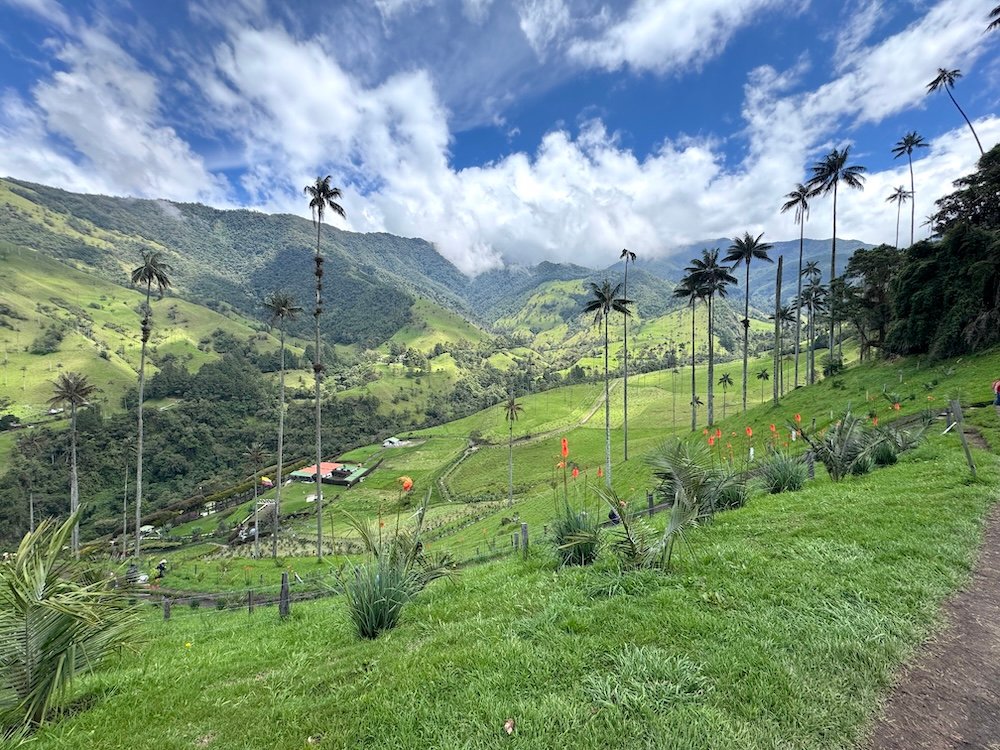
How Much Did I Spend in South America?
The short answer is I spent $10,565 in 143 days, which comes out to an average of about $74 per day. This number includes everything I spent while traveling. So it includes accommodation, tours, food, and transportation. It does NOT include my flights to and from South America, travel insurance, any purchases made before my trip (a backpack, some clothes, etc.), or any souvenirs that I picked up during the trip.
South America Travel Budget
Saying I spent $10,565 is one thing, but I don’t think that it tells the whole story because some countries were more expensive than others. I’ve written more detailed budget breakdowns for each country (except Argentina because their money situation means that my blog post would be outdated within a few months).
Here’s how the per day spending breaks out per country.
| Country | Hotel | Transportation | Food | Activities | Misc | Total |
| Argentina (10 nights)* | $21 | $23 | $13 | $14 | $0 | $71 |
| Bolivia (23 nights) | $21 | $4 | $5 | $26 | $1 | $57 |
| Chile (5 nights) | $45 | $0 | $12 | $40 | $1 | $98 |
| Colombia (40 nights) | $36 | $8 | $8 | $20 | $1 | $73 |
| Ecuador (20 nights) | $25 | $5 | $5 | $9 | $1 | $45 |
| Peru (30 nights) | $34 | $6 | $8 | $18** | $1 | $67 |
| Uruguay (13 nights) | $46 | $9 | $19 | $8 | $0 | $82 |
| South America Average | $32 | $8 | $10 | $19 | $1 | $70*** |
* I did not create an Argentina Travel Budget breakdown like I had for all of the other countries I’ve traveled to. Argentina’s money situation is constantly changing and by the time I would have published it, it would have been outdated. The country is no longer as cheap as it was a few years ago.
** This total excludes the Inca Trail and Machu Picchu – I highly recommend budgeting for the Inca Trail separately since it’s such an expensive activity. Though note that the Inca Trail is included in the overall $10,565 that I spent in South America.
*** Because I excluded the Inca Trail from Peru’s activities, the overall South America per day average drops. Yes, the Inca Trail is enough to drop the entire 145 day budget by $4 per day.
South America Travel Budget Breakdown
Before we get into any South America budget tips, let’s talk a little bit about these numbers.
Hotels
Hotels and hostels were my biggest expense while traveling. I stayed in private rooms except while I was on organized, overnight tours. I used hostels while traveling in college and now I’m passed the point of hostel dorm rooms. I just value my privacy and sanity too much. For an average of $32 per night, I don’t think that’s a bad deal. Most of those rooms came with private bathrooms and at least half of those rooms included breakfast as well.
Uruguay, Chile, and Argentina had the most expensive rooms. I know that Argentina looks very affordable, but that’s because I found a phenomenal deal on a private room in a hostel in Salta. I spent one week in a private room for just $12 per night and that really helped to drive down the hotel costs in Argentina.
Ecuador and Bolivia had some of the cheapest rooms which helped to balance out the expensive rooms in Uruguay, Chile, and Argentina.
In Colombia and Peru, room prices varied wildly depending on where I stayed. I had some rooms that cost $45 per night (close to what I was paying in Uruguay) and rooms that were as cheap as $15 per night. Don’t stress too much about one expensive hotel room because it all balances out.
Transportation
My transportation costs were pretty reasonable. These costs include buses, taxis, flights, city buses, and every other form of transportation. In general, it wasn’t a huge number and I’m very happy about it.
Argentina had the highest average, but that’s because I took an internal flight. At the last minute, I chose to change the flight that I had booked (due to the airline’s reputation for cancelling flights) and I booked a more expensive flight. That was definitely the most expensive transportation of my trip. Everything else was totally manageable.
I often relied on buses to get between my hotels. Ecuador had the cheapest buses while most of the other country’s buses were priced similarly.
To save money, I took night buses for some of the long journeys. This didn’t happen often, but the overnight buses saved me accommodation costs as I traveled from Sucre to La Paz in Bolivia, Arequipa to Cusco in Peru, and Cusco to Nazca in Peru.
I almost booked a night bus in Colombia. However about a week before the bus, I noticed that I could fly (with my checked bag) for the same price as the 16 hour bus. Yes I had to incur a few extra costs that came with flying (a hotel now that I wasn’t sleeping on the bus and transportation from the airport) but I would absolutely do it again. The comfort was worth the price of those extra expenses.
Food
I would always try to eat breakfast at my hotel. More than half of my hotels included breakfast and that made things a little easier on the budget. For lunch, I’d always eat out and typically would try to find a lunch special. For dinner, snacks, and the breakfasts that weren’t included at my hotel, I visited grocery stores.
While I’m sure that my methods weren’t for everyone, it worked for me and I was happy to take the money I saved to funnel it back into hotels and activities.
Activities
The whole reason for my five months in South America was to do as much as I could, so I tried not to hold back on activities. Sure, there were some things I skipped, but I’m so happy with everything I did. Later on in this post, I’ll break down some of the more expensive activities.
Remember that not all activities have to cost money. Hiking is a great free activity and while in cities, I loved just walking to see what I could find.
Miscellaneous
This category is never huge, but it’s worth mentioning. In many countries, you’ll need to pay a small fee to use public bathrooms. In addition, I occasionally sent my laundry out to get a proper wash. Don’t get me wrong, I did a lot of laundry in the sink. But sometimes you need a proper washing machine (particularly after long and sweaty hikes).
Big Budget Activities
What defines a big budget activity? Well, that’s going to vary from person to person, but for this post, I’m considering any activity that costs more than $75 to be a big budget activity.
For these types of activities, I’d consider setting money aside since they are likely going to make a big impact on your overall South America budget.
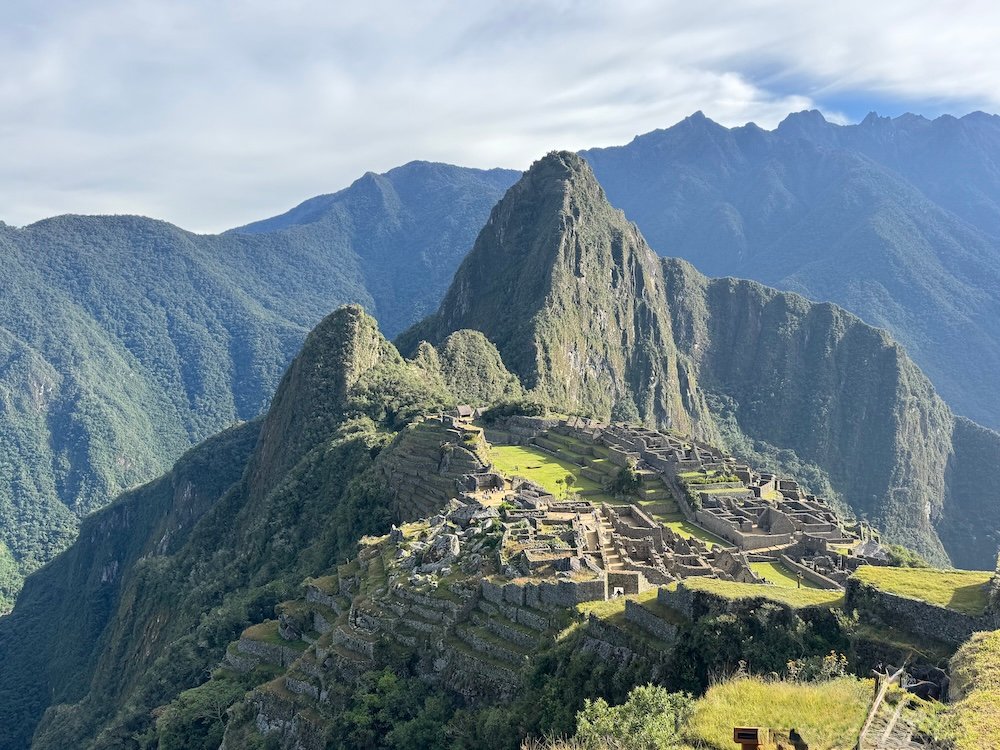
Inca Trail 4 Day Trek
I excluded my 4 Day Inca Trail Trek from the overall averages because it skewed the averages so much. I loved this activity, but I cannot deny that it was expensive.
I originally booked a 5 Day Inca Trail Trek. We’d hike the trail at a more relaxed pace, but still finish in four days. Then on day five, we’d return to Machu Picchu for a second visit to explore. It’s more expensive than the four day trek, but since Machu Picchu is likely going to be a once in a lifetime experience for me, I decided to splurge.
Unfortunately for me, there were issues with my trek (the only other couple that was signed up cancelled) and I got put on the traditional four day trek. I did eventually get some refunds, but I’d rather have not dealt with the issues at all and paid full price. Oh well.
I guess my point is that even with those discounts (totaling nearly $200), I still paid $1033 for my Inca Trail experience. This is why I highly recommend setting aside money for the Inca Trail that is separate from your overall travel budget.
The bad news is that it’s very expensive. The good news is that your trekking fee includes all of your food, your guides, your porters, your tents, and everything you may need for your time on the trail. The only thing that it does not cover your tips for the chef, porters, and guides. The $1,033 that I mentioned includes those tips.
Note that if you pay with cash, your trek will be slightly cheaper. I didn’t want to carry that much cash with me (since the Inca Trail was nearly four months into my trip), so I just paid the extra 5.5% to put the remaining balance on my credit card.
Lost City 4 Day Trek
In Colombia, I spent four days on the Lost City Trek. This is another big trek and while not cheap, it’s half the price of the Inca Trail. It can skew the activity numbers for Colombia, but it’s not nearly as bad as the Inca Trail, so I left it in Colombia’s averages.
Like the Inca Trail, the Lost City Trek includes your food, accommodation (jungle dorm beds), and guides. It does not include porters because you’re responsible for carrying everything you’ll need for the journey.
Prices for the Lost City Trek are fixed across all tour operators, so no matter who you book with, you’ll pay the same price. When I hiked, I paid $517. Like with the Inca Trail, this number could have been lower, but I chose to just pay the extra fee to use my credit card.
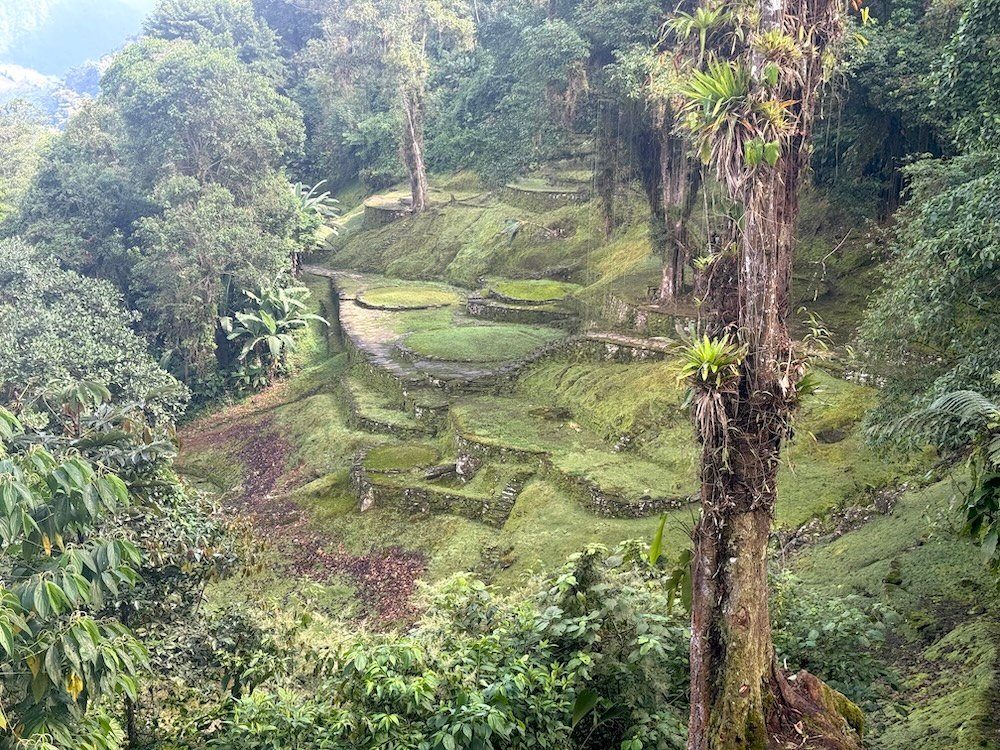
Nazca Lines Flight Seeing
The single most expensive one day activity that I did was the Nazca Lines Sightseeing Flight in Peru. This was a bit of a bucket list item for me so while it was expensive, I found it to be worth it.
I paid nearly $112 for my 30 minute sight seeing flight. That’s not cheap. First you’ll have to pay for your flight (which thankfully includes pick up and drop off in the city of Nazca), but then you’ll also have to pay two more additional fees at the Nazca airport (the terminal fee and the tourist fee).
I’d recommend it if you’re familiar with the Nazca Lines or if you have an interest in geoglyphs. If not, you’d be better off skipping the flight and saving your money for another, more exciting activity.
Death Road in Bolivia
Bolivia is a pretty affordable country to travel in, but one of the most popular day trips in La Paz is also one of the most expensive activities that I did in South America.
Death Road is an old highway that had a notoriously high death count. There are no guardrails and drops of over 200 meters. Yet, tourists still visit to ride a bicycle down the road. It can be terrifying, but it’s also one of the most exciting day trips that I did in all of South America.
Cycling Death Road is expensive and this is not an activity that you want to cheap out on. Pick a reputable company with a good safety record and expect to spend nearly $100 per person for the activity (though the number can be even higher).
After a lot of research, I settled on Barracuda Biking. They were a more budget option, but all of the reviews highlighted safety. I had a fantastic experience and can echo all of the reviews and say that safety was a huge priority while biking.
Uyuni Salt Flats 3 Day Tour
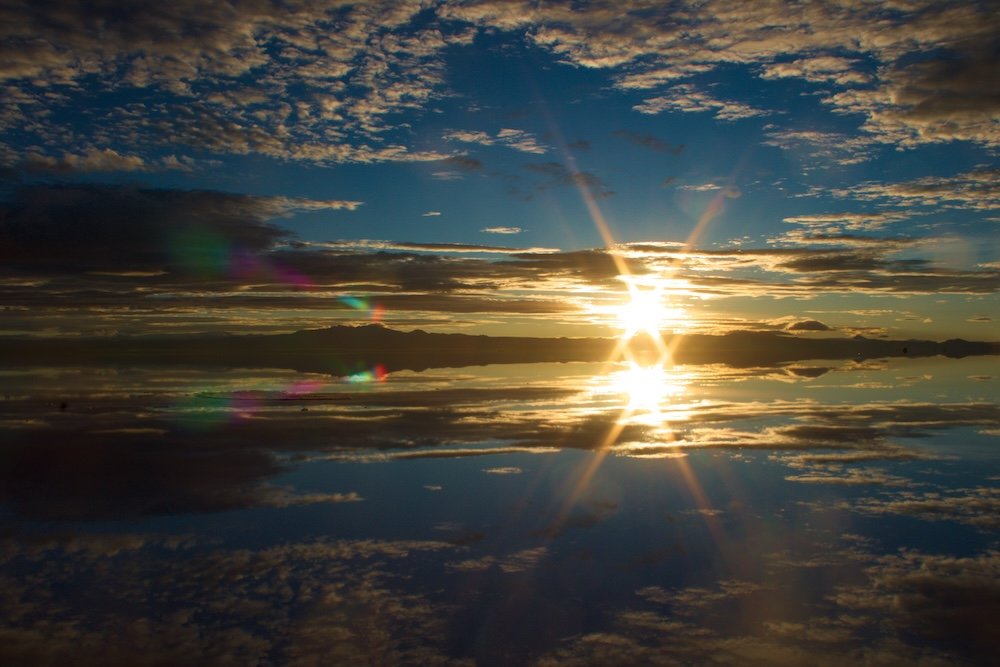
The Uyuni Salt Flats were some of the best scenery that I saw in South America and I highly recommend visiting them. For many travelers, they’ll visit the Uyuni Salt Flats on a three day, two night tour. You can either depart from Uyuni, Bolivia or from San Pedro de Atacama, Chile.
I chose to cross from San Pedro de Atacama, Chile to Uyuni, Bolivia and we passed so much incredible scenery. What made this extra great was that my tour fee also included my transportation from San Pedro de Atacama to Uyuni. So while the trip wasn’t exactly cheap, it included food, hotels, and transportation, so I didn’t think it was a bad deal.
I paid $245 for my tour. That includes entrance fees (which are excluded from the advertised tour price). My biggest piece of advice is to shop around. Every tour agency will advertise three days tours to Uyuni and every tour is exactly the same. Find the cheapest price and book it (since the tour agency you book with is likely just a wholesaler).
It’s also worth noting that the tour is cheaper if you start from Bolivia and end in Chile. Chile is just more expensive than Bolivia and the tour prices reflect that.
Colca Canyon 2 Day Trek
The last big activity that I want to mention is the Colca Canyon trek in Peru. This was a two day one night tour that involved hiking into the Colca Canyon, spending the night, and then hiking back out the next day. It’s a tough hike, so make sure you understand exactly what you are signing up for.
The good news is that while this is an expensive activity, it’s not the most expensive I’ve done. My tour was just $88 for transportation, a guide, food, and accommodation. That’s not bad at all. We did have to pay for lunch on the second day though, but I’m still happy with the price.
South America Budget Tips
So I’ve talked about what I spent in South America. What do I recommend for those who want to save money on their own South America travel budget?
Travel Slower
Transportation costs add up. The more often you move, the more money you have to pay. While it’s easy to say “stay at least one week in every city you visit”, that’s not the reality for most people. Be cognizant of your moves.
My recommendation is to look ahead. As you travel for longer, you’ll need breaks. I used these extra days to get caught up with the blog, do some trip planning, and generally relax. Take these breaks in cheaper destinations to save some money.
Long Buses are a Money Savor
If you’re traveling long distances, look into night buses. You won’t sleep well on these buses, but it saves money when your transportation and accommodation costs are bundled into one.
That said, look at flights regardless. If you can find a good deal on a flight, the comfort may be worth splurging.
Book Activities in Person
While it’s so much easier to book a tour on GetYourGuide or Viator, it’s almost always cheaper to book your activities in person. In Ecuador, my Cotopaxi day trip from Quito was $20 cheaper by booking through my hotel. I booked all my tours at once in San Pedro de Atacama and got a discount from the tour agency. In Peru, my hotel handled all of my Cusco day trips and it saved me so much money.
Of course there were some times that I booked activities online. The Inca Trail and Lost City Trek were both booked online, as was my Nazca Lines Flight. Occasionally I still booked some day tours online, even if they were a bit more expensive. Sometimes the convenience was worth more than the little bit of savings.
If you’re traveling long term, you likely have flexibility, so ask around when you arrive at your destination. It’s sure to be cheaper.
Use Cash Instead of Cards
In many places I visited, paying with card came with an extra fee. You can mitigate this by paying in cash. Is it annoying to carry cash to pay for hotel rooms? Yes! But sometimes the savings is worth it.
At the same time, I have to mention Uruguay. There were several occasions where it was cheaper to pay by card. Sometimes that discount was 15 to 20%. To be clear, Uruguay is the only place I experienced this and it wasn’t everywhere.
In general though, paying by card was more expensive.
Look for Menu del Dias
I typically ate just one meal in a restaurant each day and that meal was lunch. Every country had restaurants that offered an almuerzo or menu del dia. For one low price, I could get an appetizer, main dish, and a juice. That’s a fantastic deal and helped to stretch my money.
Bring a Water Purifier
In most of South America, it’s not safe to drink the tap water, so you’ll need to stick to bottled water. As you travel longer, this cost can really add up. Plus, you’re adding a lot of plastic waste, which I didn’t love.
I brought a Steri-Pen with me to South America and treated nearly all of my water. While the Steri-Pen wasn’t cheap ($130 plus $20 for the rechargeable batteries), my estimates show that I purified more water than I would have purchased. For me, that’s a huge win.
Steri-Pens aren’t the only option and there are also special water bottles that can handle filtering and purifying. If you drink a lot of water (water is about the only beverage I drink), this can be a great investment.
Note that there will be times that you’ll buy bottled water. On a few hikes, I bought bottled water just for the convenience, but the handful of water bottles I did purchase was significantly less than what I would’ve bought without my purifier.
Final Thoughts
I had a phenomenal time during my five months traveling in South America. I did everything I wanted to and still managed to keep a reasonable budget. I hope that this information can help you determine your own South America travel budget and plan your own adventure.
