
Peru is a very popular country to visit in South America. It’s the place where I saw the most foreign tourists and I think that means it makes sense to talk about how much it costs to travel in Peru. There’s so many cool things to see and do in the country, beyond just Machu Picchu, but without proper planning, you can easily blow through your travel budget.
So let’s talk about how my Peru travel budget and break down exactly what I spent during my trip.
About My Trip to Peru
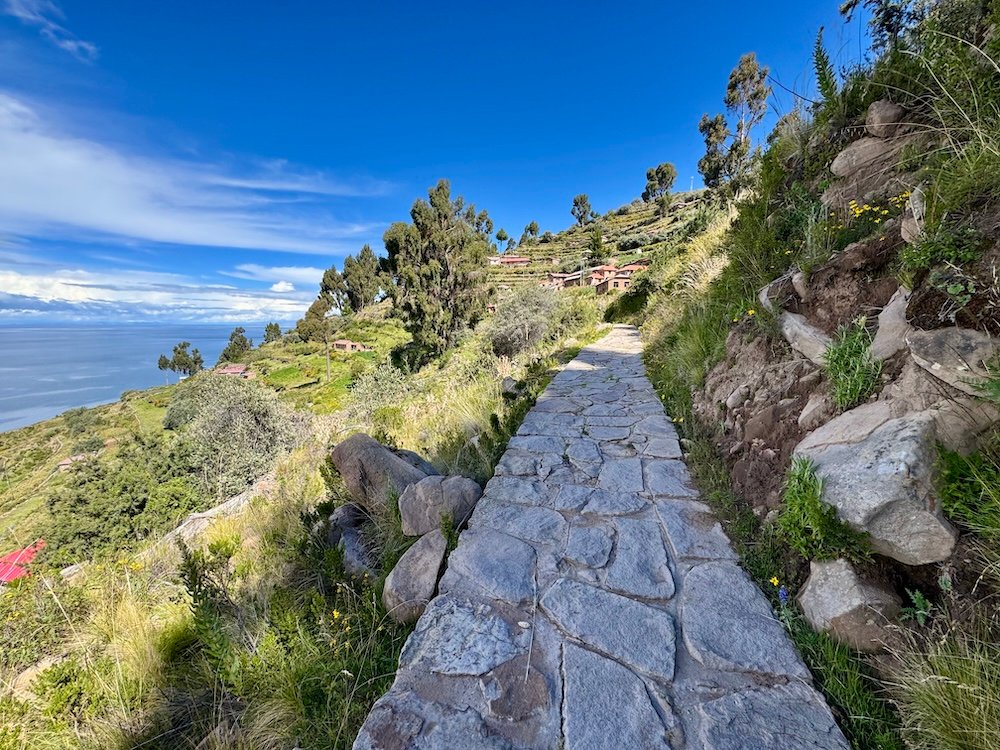
I covered the highlights of Peru in one month. I crossed into Peru from Bolivia and started my trip in Puno, right on Lake Titicaca. From there I worked my way north, stopping at all of the tourist hotspots including Arequipa, Cusco, Nazca, Huacachina, Paracas, and Lima. I also spent four days hiking the Inca Trail to reach Machu Picchu.
About My Travel Style
As mentioned, my trip to Peru was part of a longer five month trip through South America, so budget was a concern. That said, I still paid for private rooms in every place I visited. I’m just past the days of hostel dorm rooms and need my own space.
Some of my hotels came with an included breakfast which definitely helped the budget. I’d typically eat out for one meal every day and supplement any other hunger with food from the grocery store.
For activities, I paid for several, but indulged in free activities to help balance my budget.
And lastly, I have to mention that I don’t drink alcohol or coffee. That’s a personal preference, but it also makes a huge impact on my travel budgets because I don’t have to account for those things.
How Much Did I Spend in Peru?
I have a few notes before I get started. First, I’ve rounded each value to the dollar, just to make things a bit more digestible. So if you look at the average cost per day and think it doesn’t quite line up, that’s why.
Second, I’ve taken out the cost of the Inca Trail from the daily average. The 4 Day Inca Trail is a very expensive activity and in my opinion, adjusts the numbers so much that it’s not representative of the actual costs of traveling in Peru. That said, I’ll still talk about the Inca Trail in this post because it’s such a popular activity.
| Total Spent | Average Per Night (30 Nights) | |
| Hotels | $829 | $31 |
| Intercity Transportation | $152 | $5 |
| City Buses | $6 | $1 |
| Food | $220 | $8 |
| Activities | $466 | $18 |
| Miscellaneous | $8 | $1 |
| Total | $1,686 | $64 |
Bolivia Travel Budget Breakdown
Sure, numbers are fine, but lets breakdown each of those categories further to give a little more detail. I’ll also give some ideas for ways you can adjust the budget, either to save money or to travel more luxuriously.
Hotels
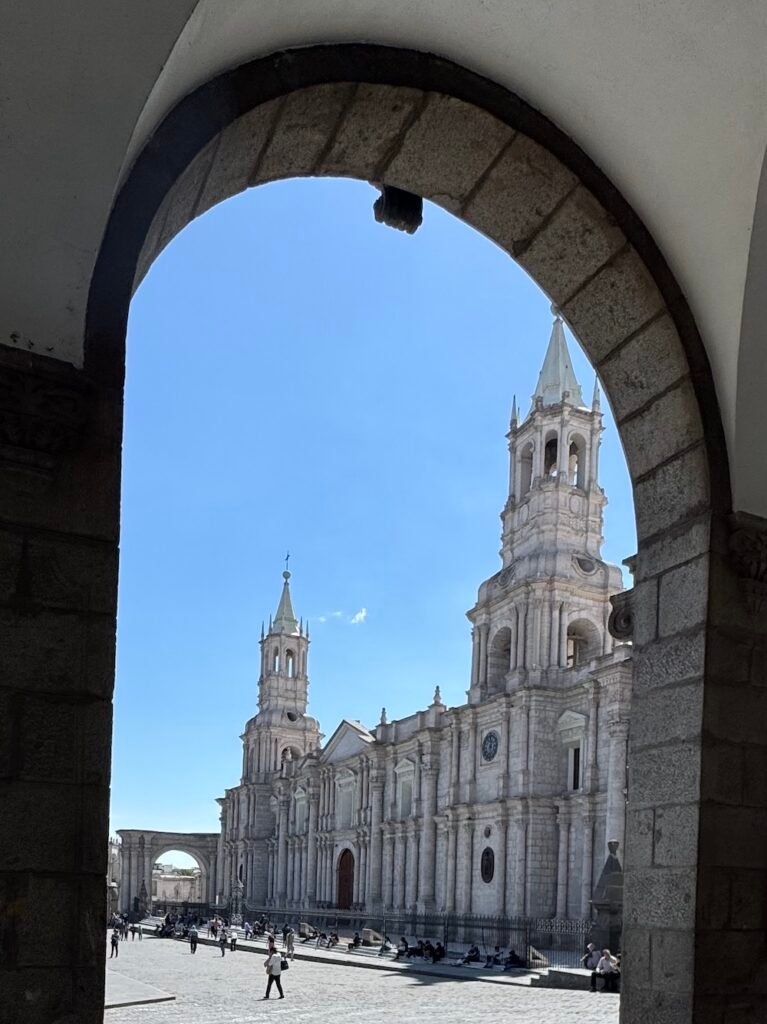
My hotel costs were $829 total for an average of $31 per night. Considering I had a private room every single night and all but one hotel had a private bathroom, I think this is a pretty reasonable amount to spend. Half of those hotels included breakfast, which also helps the budget.
Not all hotels are equal though and some places were cheaper than others. Here’s how that breaks down.
Under $20 per night: Paracas
$20 to $25 per night: Puno (shared bathroom)
$25 to $30 per night: Arequipa, Aguas Calientes
$35 to $40 per night: Huacachina, Lima
$45+ per night: Cusco
Cusco had the most expensive hotel of my time in Peru and that doesn’t surprise me. Cusco is just slightly more expensive than most places in Peru. So many tourists visit Cusco and prices reflect that. While I’m very happy with the hotel I stayed at, I will admit that the price was higher than I would have liked.
The other location I want to draw special attention to is Aguas Calientes. While I excluded most of my Inca Trail costs from this overall budget, I want to address Aguas Calientes. This is the town at the base of Machu Picchu and like Cusco, it’s more expensive. Due to an issue with my Inca Trail hike, I had to spend one night in Aguas Calientes. I consider myself lucky to find a hotel as cheap as I did considering I was booking so late.
And lastly, for the most part, I booked my hotels a few months in advance. This is different than most long term travelers, but by booking early, I was able to get a better selection of hotels at lower prices.
Adjustments to the Budget
As always, accommodation costs vary wildly. You could increase the budget by staying in even nicer places. While I was happy with all of my hotels in Peru, I’ll admit that I picked the budget options. If you’re willing to spend more, you can absolutely stay in fancier accommodation.
On the other side of the coin, if you’re willing to stay in hostel dorm rooms, this number is going to drop dramatically. I’m passed the point of hostel dorm rooms, so for those wanting private rooms, I don’t think you’re going to be able to do it for much cheaper than this. A quick search on Hostelworld shows that you can get a dorm bed in Cusco (my most expensive destination) for $10 to $15 per night.
Intercity Transport
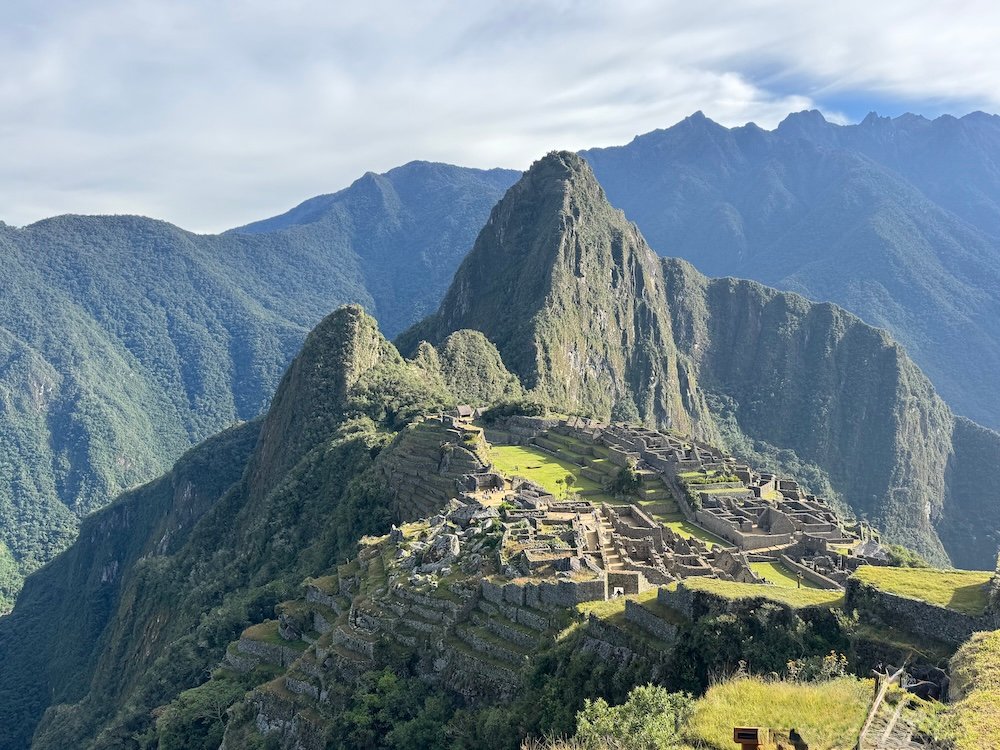
I used buses to get everywhere while in Peru, so that’s where the $152 comes from. While PeruHop is a popular service that picks travelers up from their hostel and drops them at their next hostel, I chose to use traditional bus lines. This gave me more flexibility and I found it to be a bit cheaper.
Here’s a breakdown of my bus costs
Copacabana, Bolivia to Puno, Peru: $15
Puno to Arequipa: $8
Arequipa to Cusco: $25 **
Cusco to Nazca: $54 **
Nazca to Ica: $11
Ica to Paracas: $8
Paracas to Lima: $18
** Note that by buses from Arequipa to Cusco and Cusco to Nazca were overnight buses. So while the buses weren’t cheap (especially the bus from Cusco to Nazca), my transportation included my accommodation costs for the night.
If you do the math, you’ll notice that the prices don’t quite equal $152. That’s because some of the bus stations are far from the city center where I stayed, so I had to catch a taxi or Uber to reach my final destination. Here’s those prices
Arequipa: $4 (twice)
Cusco: $3
Ica to Huacachina: $4 (twice)
Lima: $4
And finally, I took a bus to the airport in Lima when it was finally time for me to leave the country. This cost $6 and was significantly cheaper than taking a taxi.
Adjustments to the Budget
If you’re traveling by bus, you’re not going to be able to do this itinerary for much cheaper. A few buses might be a few dollars cheaper, but not enough to make a huge dent in your budget.
If you have a higher budget, you could look into flying across Peru to save some of the long journeys. However the only route from my itinerary that makes sense to fly is Arequipa to Cusco. It’s 10 hours by bus or a one hour flight. If you’re traveling Puno to Arequipa, know that there is no direct flight and you’ll have to connect somewhere (likely Lima). If you’re traveling from Cusco to either Nazca (14 hours by bus) or Ica (16 hours by bus), there’s no good flight routes either (as neither Nazca nor Ica have commercial airports).
If you’re trying to avoid long buses and utilize flights instead, be prepared to make cuts or get very creative with your itinerary.
City Buses
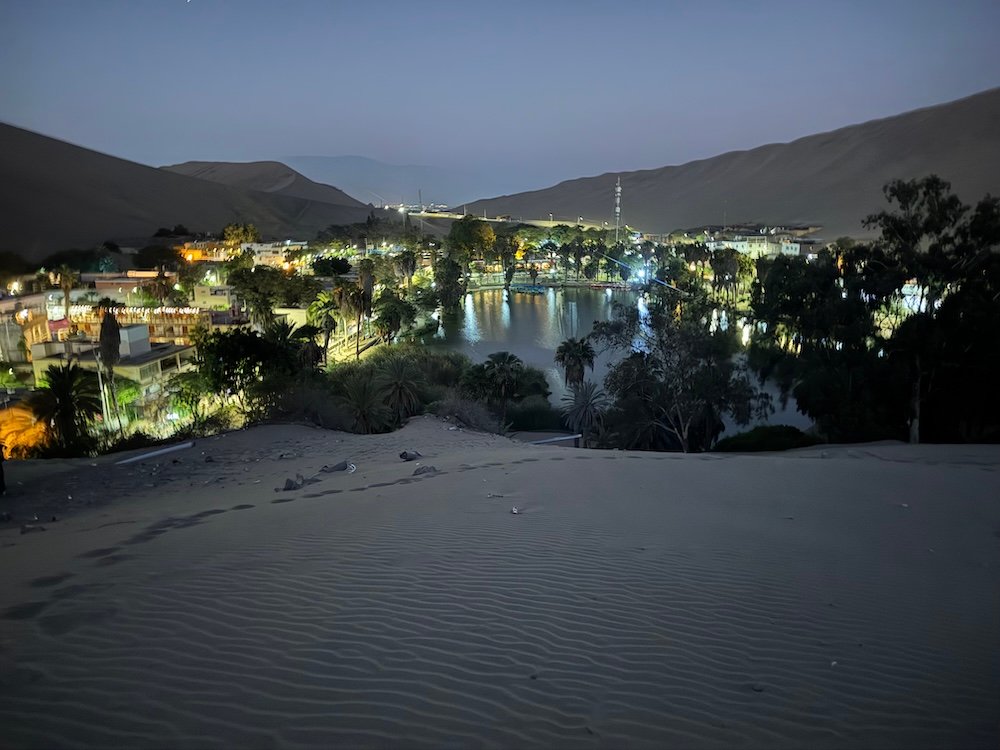
I did not take much public transportation during my time in Peru (outside of those intercity buses that I covered earlier). In fact, I just used city buses just twice during my month in Peru.
In Cusco, I was sick of guided day trips (though they are amazing), so I visited Pisac on my own. The colectivo costs just $2 each way.
In Lima, I took a walking tour of the historic center, but I was staying in Miraflores. To get from Miraflores to the historic center, I took the bus which costs $1 each way. The only thing to note about traveling on Lima’s metropolitan buses is that you have to have a bus card which costs $4. Since I needed just two rides, I was able to borrow a local’s card. I gave them money for the fare and they scanned me in.
Adjustments to the Budget
For most tourists, I don’t think you need to budget much money for your daily transportation. You’ll either be taking guided tours (which are usually very affordable) or walking. I did occasionally use taxis to get to and from bus stations, but I accounted for those in my intercity transportation section since it was all part of me moving from one hotel to the other.
Food
As always, I used a mixture of grocery stores and restaurants while traveling. I’d try to eat breakfast at my hotel, but it wasn’t always included. For Peru, my breakfasts were only included in half of my hotels. When breakfast wasn’t included, I supplemented with grocery stores.
My big meal everyday was lunch and I’d always eat that in a restaurant. I’d try to find a menu del dia which included an appetizer, main dish, and juice for a low price. In the evenings, I’d pick up snacks from a grocery store if I was still hungry.
So, the $220 in food breaks down like this:
Grocery Stores: $67
Meals in Restaurants: $148 (23 meals)
Ice Cream: $5
Adjustments to the Budget
I was happy with what I spent on food in Peru. I ate well. You could go lower than this if you stick to grocery stores, but even with budget backpackers, I’d recommend using my budget as a starting point. Peru has some of the better food in South America so you’ll want to treat yourself to some restaurants.
On the other end of the scale, you can absolutely go higher. If you eat three full meals per day in restaurants, you’ll need to budget higher. If you want to eat in nicer restaurants, you’ll also need to budget higher. The sky is the limit for how much you can spend on food while in Peru.
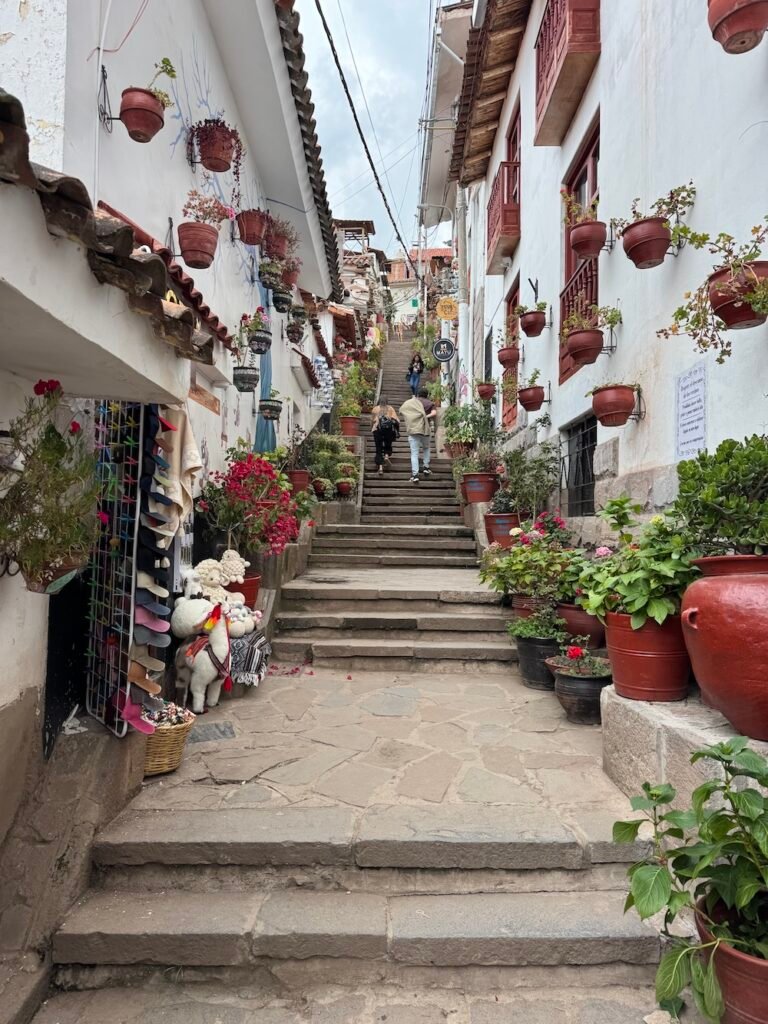
Activities
I did a lot of cool things while I was in Peru. Rather than talk in generality, here’s a breakdown of the activities I did (in order of expense). Note that all activities have entrance fees included (sometimes these are separate from the advertised tour price).
Cusco Walking Tour: $9
Lima Walking Tour: $12
Bike Rental and Paracas National Reserve: $14
Arequipa Convent: $15
Las Ballestas Islands Tour: $15
Huacachina Dune Buggy and Sandboarding: $26
Uros and Taquile Tour from Puno: $32 (includes lunch)
Huamantay Lake Tour from Cusco: $32 (includes breakfast and lunch)
Ausangate 7 Lakes Tour from Cusco: $35 (includes breakfast and lunch)
Cusco Tourist Ticket: $38
Rainbow Mountain (Vinicunca) from Cusco: $41 (includes Red Valley, breakfast, and lunch)
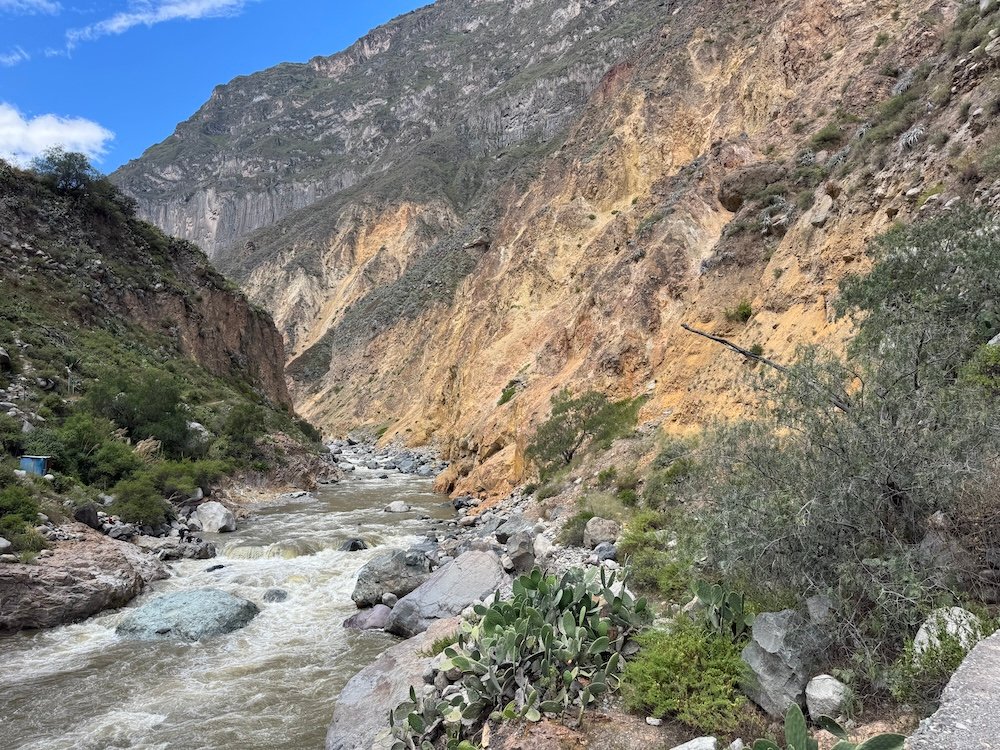
Colca Canyon 2 Day Trekking Tour: $88 (includes two breakfasts, lunch, dinner, and one night accommodation)
Nazca Lines Flight Seeing Tour: $112
So as you can see, activities can vary wildly in price and it’s up to you which activities you do. That said, I found tours in Peru to be pretty affordable. Many of the full day tours (notably those from Cusco) included transportation, breakfast, lunch, and a guide. That’s a pretty good deal.
The Cusco Tourist Ticket is what gets you into to several museums and Inca Ruins. While it looks expensive at $38, your ticket is valid for 10 days. Depending on what you are planning to visit, this can be a good deal. Once I had the ticket, I ended up visiting a few sites that I would have skipped otherwise just because it was already covered.
The Colca Canyon 2 Day Trekking Tour was $88, but it included almost everything. We had transportation and a guide. We had a hotel at the bottom of the Colca Canyon as well as breakfast, lunch, and dinner on our first day and lunch on our second day. We did have to pay extra for our entrance fee into Colca Canyon National Park and to enter the hot springs, but those are both factored into the $88 total price.
My most expensive activity was the Nazca Lines Flight Seeing Tour. This is not a cheap activity, but I’m still glad I did it. This number includes the tour itself as well as the two additional fees that you are required to pay when you arrive at the airport. If you’re familiar with the Nazca Lines or have an interest in geoglyphs, the flight is worth if. If not, I’d suggest saving your money and directing it to some other activity.
As a reminder, I have not included the Inca Trail or Machu Picchu in this section. I’ll talk about those later because they can have such a huge impact on the overall budget.
Adjustments to the Budget
Activities are completely subjective and it’s going to vary from person to person. You can skip some of the activities I did or add on more activities yourself. For the average person, I think the activities that I have listed here are a very good starting point for a Peru travel budget.
Miscellaneous
My miscellaneous expenses were small. Often, you’ll have to pay a small fee to use bathrooms at the bus stations or other public toilets. So that $2 of the $8 fee was using public bathrooms.
The rest of that miscellaneous bucket was for laundry. After hiking the Inca Trail, my clothes were disgusting and I still had two more weeks left in Peru. I splurged $6 to send out my laundry.
The miscellaneous section isn’t huge and I don’t think you need to budget a lot of money for it. But I do think it’s important to note that you’ll often have to pay to use public restaurants.
The Inca Trail
The Inca Trail is a bucket list item for many travelers. The good news for your Peru travel budget is that your Inca Trail fee will also include your accommodation and your food for the time you’re trekking. It should also include your entrance fees for Machu Picchu as well as transportation to and from Cusco. The bad news is that it is not a cheap activity.
I made it even more expensive by choosing a slightly different route. Rather than the traditional four day trek, I chose a five day trek. We were supposed to still finish the trail in four days but on day 5, we’d return to Machu Picchu to explore it properly. That trip was expensive and I paid nearly $1000 for the five days.
Now you can get that number down if you pay in cash. Since I was traveling long term and didn’t want to carry that much cash (the Inca Trail was nearly four months into my trip), I paid by credit card and had to pay an additional 5.5%.
In addition to your trekking fee, it’s highly encouraged to tip your guides, cook, and porters. Of course it’s up to you, but it’s highly encouraged and after hiking you’ll have a huge appreciation for the porters and your cook. The tips for your porters and cooks are paid by your entire group. The tip for your guides is done on an individual basis. My tips totaled $150 USD for 22 porters, 1 cook, 1 guide, and 1 assistant guide.
So in total, my Inca Trail experience cost nearly $1200. That’s by far the most expensive activity I did in South America, but I don’t regret it.
Lastly, my trip was a bit cheaper than most but not for a good reason. My Inca Trail experience had numerous issues and I ended up with nearly $200 in refunds. That still didn’t make it cheap.
Given all of that, I recommend setting aside money for your Inca Trail separately from the rest of your Peru travel budget.
A Reminder About Inflation
I traveled in April and May of 2026, so the prices are accurate as of my trip. Prices change over time and it’s important to adjust any budget for inflation.
Final Thoughts
Once I took the cost of the Inca Trail out of my overall Peru travel budget, Peru became a significantly more reasonable place to travel. I’d say absolutely do the Inca Trail, but set money aside separately for that activity. Beyond that, Peru is a very affordable place to travel.
Continue Your Adventure
Peru: No trip to Peru would be complete without a visit to Cusco and Machu Picchu. I really enjoyed Arequipa which is also a great base for visiting the Colca Canyon. For different scenery, head to the beach town of Paracas for Las Ballestas Islands or to cycle the Paracas Reserve. The desert oasis of Huacachina is always a hit and the Nazca Lines are a bucket list item for many. Get even more info in my Peru Travel Guide.
