
Great Smoky Mountains National Park is the most visited national park in the United States. Nearly thirteen million people visit it annually and that number just keeps growing. So, yes, you’ll find lots of people at this park, but you’ll also find miles and miles of hiking trails, more waterfalls than you can count, scenic drives, plenty of overlooks and great views, some historic cabins, and plenty of fun things to do.
So in this post, I’m going to cover the best things to do at Great Smoky Mountains National Park.
Things to Do at Great Smoky Mountains National Park
While the actual list of things to do at Great Smoky Mountains National Park is long and seemingly never-ending, this list is going to focus on what first time visitors should do. Rather than trying to see everything, try to focus your time on just a few highlights.
Hike to a Waterfall
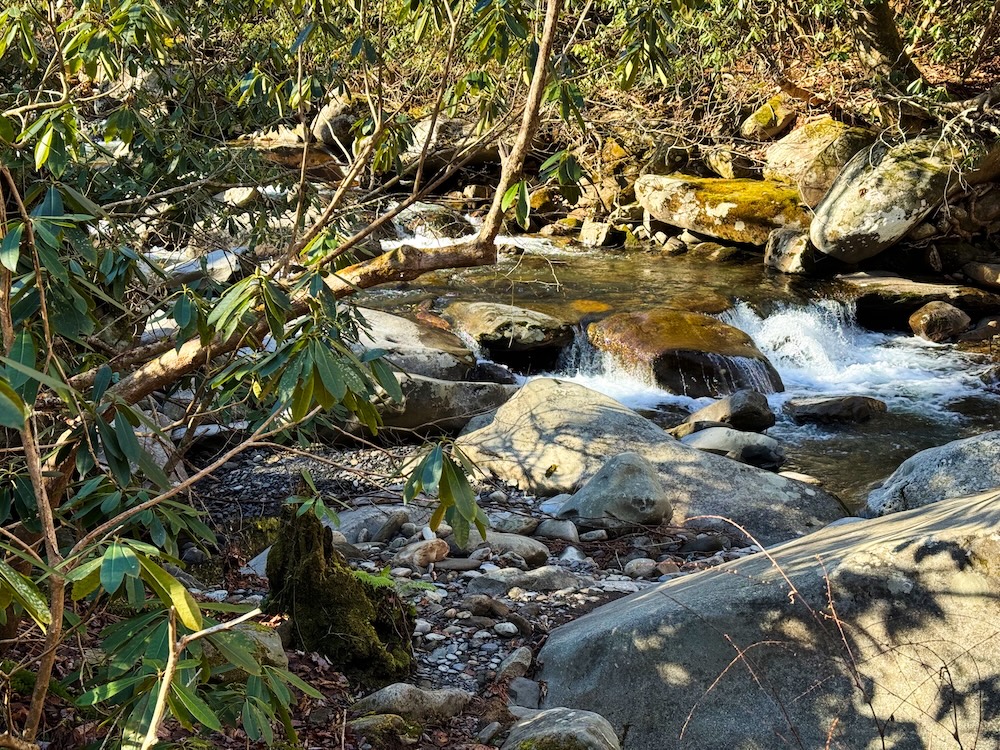
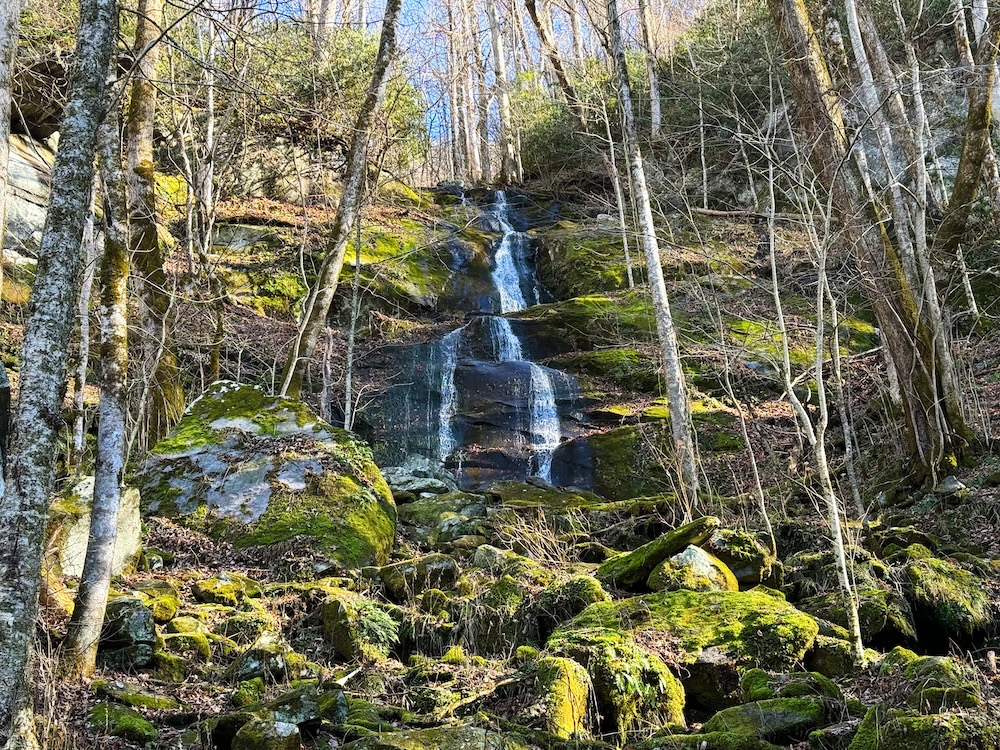
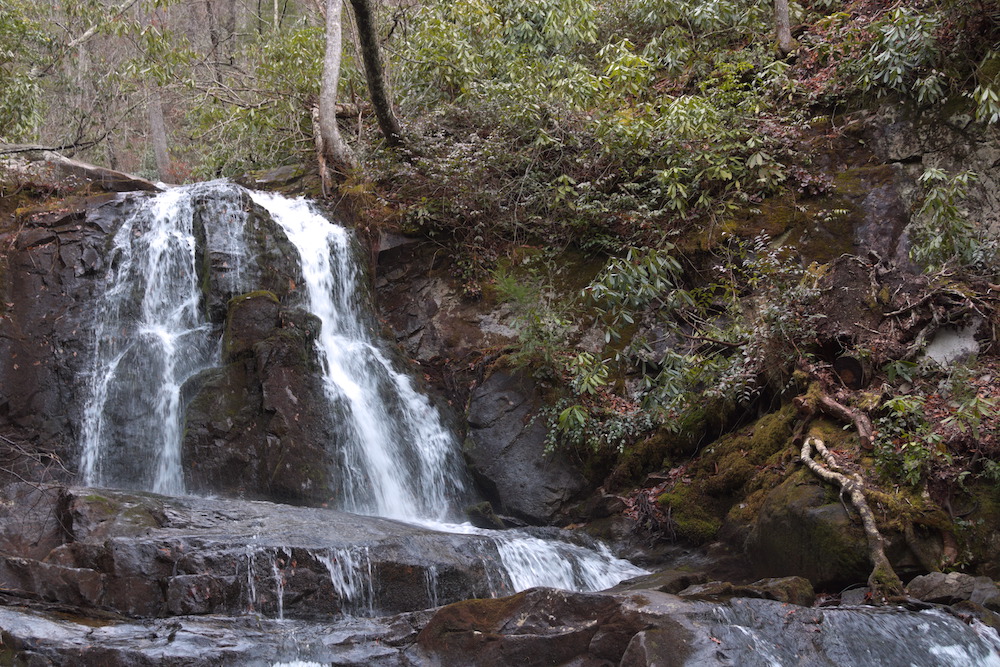
You’ll find so many different waterfalls at Great Smoky Mountains National Park that it can be hard to pick just one to visit. On my trip, I ended up hiking to five waterfalls (and left with a list of even more that I wanted to see on a future visit).
For first time visitors, there’s a few waterfalls you should look out for.
Cataract Falls is just behind the Sugarlands Visitor Center, making it convenient, but also busy. Of all of the waterfalls I visited at Great Smoky Mountains, this was my least favorite.
Laurel Falls is a crowd favorite, but with that favoritism comes big crowds (I think it was the second busiest area I visited in the park!). I’d also argue that if you’re looking for a traditional hiking experience, this one is not it as much of the trail is on concrete.
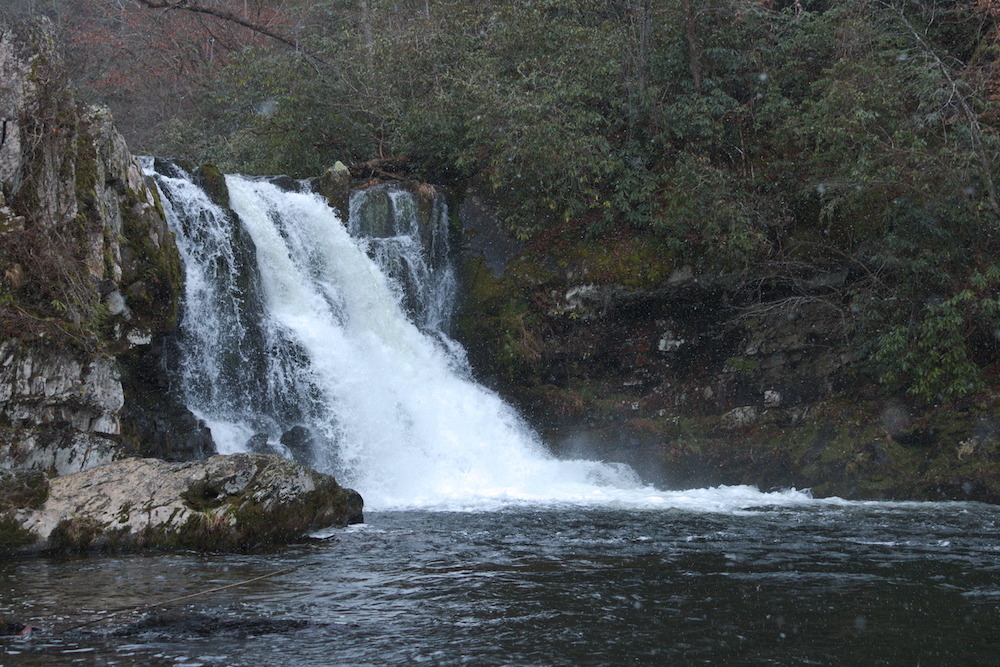
Abrams Falls is my personal favorite, but getting here can be a challenge (see Cades Cove). Try to make this the very first stop of your day if you plan to hike it. We arrived as soon as Cades Cove opened and were able to have the waterfall to ourselves for ten minutes!
Fern Branch Falls which felt off the beaten path on the Porters Creek Trail. While we passed other hikers on the trail, it was significantly less busy then any other area of the park that we visited.
If none of these waterfalls sound interesting to you, there are loads more waterfalls to check out within the park.
So while you’re visiting Great Smoky Mountains National Park, get out, take a hike, and visit a waterfall. It’s one of my favorite things to do in the Smoky Mountains.
Visit Clingman’s Dome
For the highest point at Great Smoky Mountains National Park (and the entire state of Tennessee), pay a visit to Clingman’s Dome. While avid hikers will want to add the hike to their list, less ambitious visitors can drive to Clingman’s Drove.
As a note, the road to Clingman’s down is closed during the non-winter months. Since I visited in December, this wasn’t an option for me. However, I have family who live in Tennessee and have visited and they loved it.
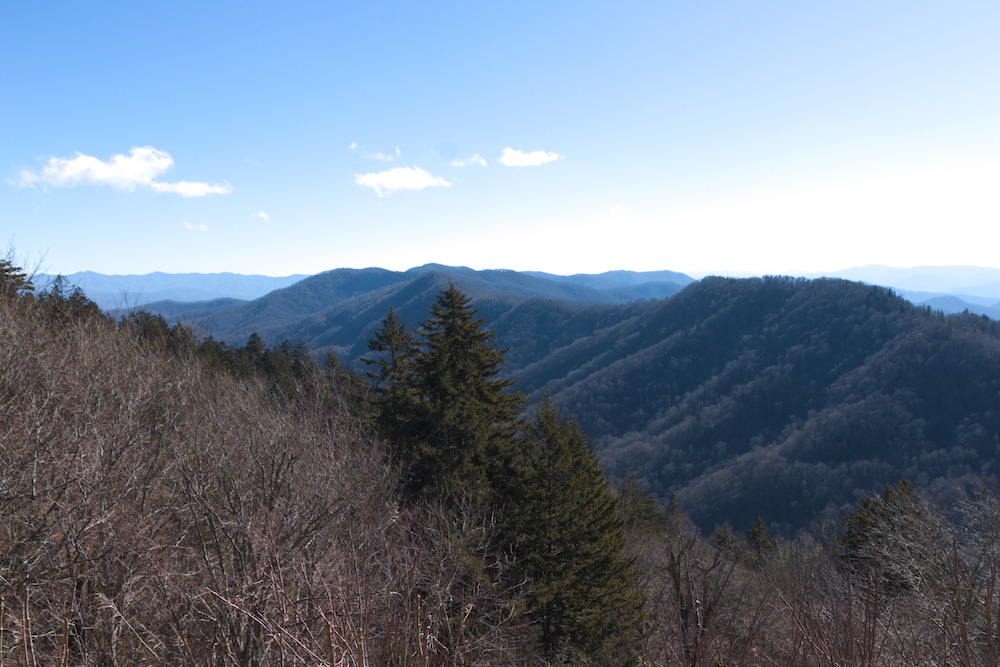
Clingman’s Dome sits at over 6,600 feet and offers a sweeping view of the Great Smoky Mountains.
Visit Newfound Gap
Newfound Gap sits on the Tennessee-North Carolina state line and is a beautiful viewpoint. Plus, the drive to get to this point is fun and scenic.
The downside is that Newfound Gap is so popular that parking can be a major struggle, so make sure to bring your patience. It took us nearly 15 minutes to crawl through the parking lot (and it was so busy we didn’t actually stay).
Despite that business, you’ll find a great view of the surrounding mountains.
While you can drive the road all the way from Tennessee to North Carolina, the road does occasionally close for bad weather, so pay attention to the forecast before you start your drive.
Cades Cove Scenic Drive
Cades Cove is one of, if not the most, popular scenic drive at Great Smoky Mountains National Park, so I had to include it on this list. It’s a ten and a half mile loop that takes you past some historic cabins, plenty of valleys and meadows, and to a few trailheads. The highlight of Cades Cove isn’t necessarily the view of the surrounding mountains, but rather the glimpses of wildlife you may get.
I’ll be honest, I think that the Cades Cove Scenic Drive is overrated. It’s so popular that the line just to start the scenic drive is incredibly long. The National Park Service recommends budgeting at least two hours to do the ten and a half mile loop.
That all said, my favorite trail (that I’ve done so far!) at Great Smoky Mountains National Park can only be reached by doing this Cades Cove loop. So if you also want to hike to Abrams Falls, you’ll find yourself on the Cades Cove Scenic Loop.
I will also admit that I didn’t see any animals on the drive. Maybe if I had seen a bear (this is where the NPS recommends if you want to try and spot one), I’d have ranked it a bit higher.
In the end, it’s your choice as to whether or not you drive the loop. But to help you make up your mind, I’ve written an entire article to help you decide if you should drive Cades Cove.
Hike Part of the Appalachian Trail
The Appalachian Trail is a 2000+ mile trail that stretches from Georgia all the way to Maine. Seventy-two miles of this massive trail passes through Great Smoky Mountains National Park.
While hiking the entire 2000 mile trail is almost certainly be out of the question for your short break, consider hiking a few miles on this historic trail.
Visit a Historic Cabin
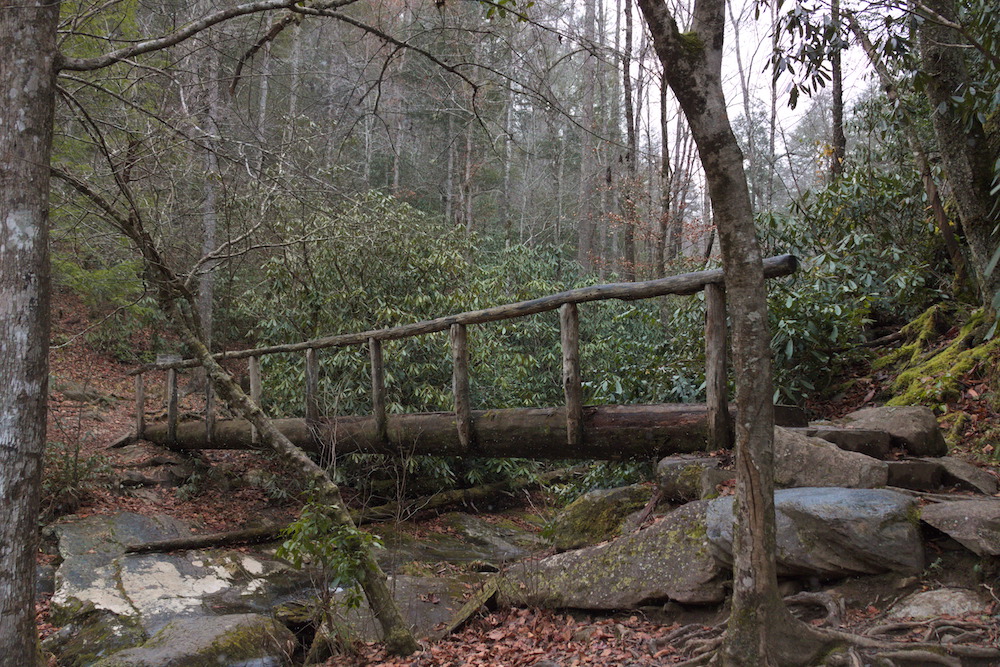
Great Smoky Mountains National Park is filled with historic cabins. Before this land became a national park, it was sparsely populated by the residents of the Great Smoky Mountains. Some of these residents’ cabins still survive today.
Now days, these cabins sit empty, but they are still standing in their original locations and give a little insight to what the homes of the people who used to live here may have looked like. Learn more about the over 90 historic buildings you can visit by checking out the National Park Service’s website.
Admittedly, old cabins aren’t really my thing. But, there are so many throughout Great Smoky Mountains National Park that you’ll inevitably pass at least one.
Stop by, walkthrough it, and imagine what life might have been like. And realize how remote some of these cabins were. Remember when people lived here, there weren’t 13 million visitors passing through this area annually.
How Many Days Do You Need at Great Smoky Mountains National Park?
I’d recommend giving yourself two days in Great Smoky Mountain National Park if you’re visiting for the first time, though you’ll need more time if you want to explore more of the surrounding area.
While this list focuses on the national park, there’s many more things to do in the Smoky Mountains than just visiting the park. Keep that in mind.
Entry Fees at Great Smoky Mountains National Park
There is no entry fee to visit Great Smoky Mountains National Park.
Parking at Great Smoky Mountains National Park
While the entry to Great Smoky Mountains is free, you do need to have a valid parking pass. Parking used to be free, but March 2023 saw the introduction of the “Park It Forward” program. So now, visitors must pay to park anywhere at Great Smoky Mountains National Park. Whether you are at a visitor center, an overlook, or a remote trailhead, you must have a valid parking permit.
Permits can be purchased from automated vending machines throughout the park. You’ll find them at Visitor Centers and other high trafficked areas.
The parking fee is $5 per vehicle per day, or $15 per vehicle per week. As a note, the pass is not transferable and is tied the license plate of your vehicle. Before you go to one of the machines, make sure you know the license plate (especially if you’re driving a rental car!).
It is important to note that any inter-agency pass, such as the America the Beautiful pass, does NOT cover the parking fee. Even if you have an America the Beautiful (or similar pass), you will need to purchase a parking permit from one of the machines.
When to Visit Great Smoky Mountains National Park
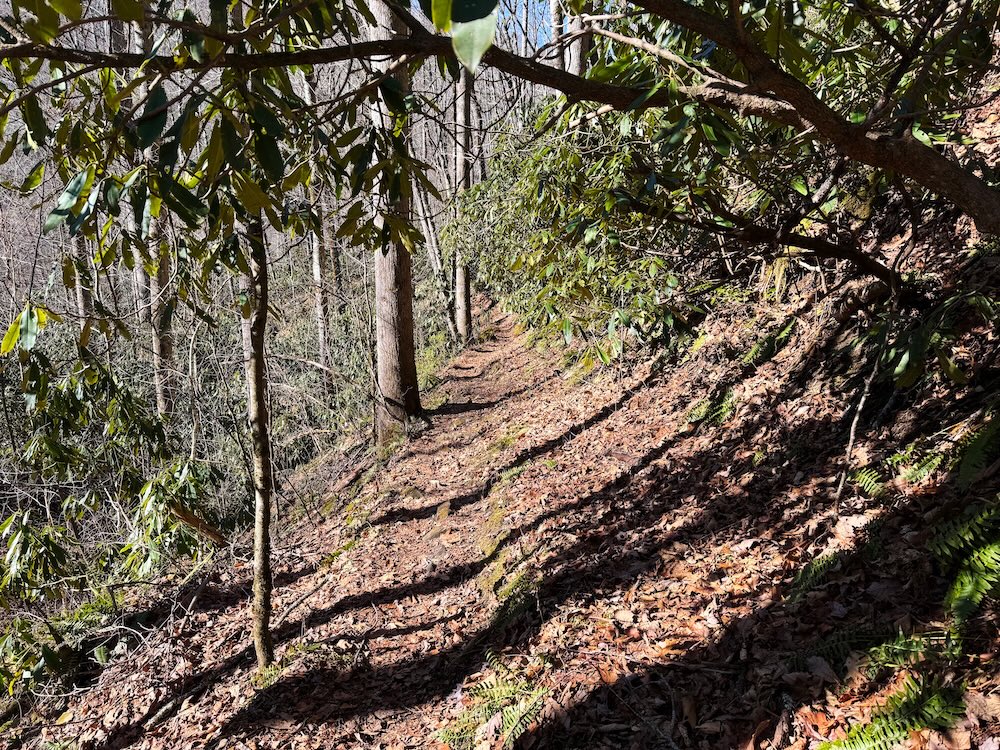
Great Smoky Mountains National Park can be visited all year round. Summers can be down right hot. In addition, the summer months are the busiest. I visited in December (between Christmas and New Year’s) which definitely had its fair share of tourists. The weather varied dramatically, from snow flurries at Abrams Falls to beautiful sunshine at Fern Branch Falls.
However, just as important as the weather is crowd management. Great Smoky Mountains National Park is the most visited national park in the United States with nearly 13 million visitors per year. Some areas of the park feel downright overcrowded.
But, for those looking to avoid crowds, pick lesser traveled trails. My hikes at Abrams Falls and Fern Branch Falls were on par with what I would expect from a national park. We passed a handful of people, but it was completely manageable. Cataract Falls and Laurel Falls were outrageously busy and it made these trails less enjoyable.
For those looking for a balance between good weather and crowds, I’d look to late spring or in fall.
Where to Stay
Great Smoky Mountains National Park straddles the Tennessee – North Carolina state line. Your exact location should be based on what specifically interests you, so you can cut down on your driving.
For many tourists though, the towns of Gatlinburg, Pigeon Forge, and Sevierville in Tennessee make great bases. Gatlinburg and Pigeon Forge specifically are massive tourist towns and traffic can be outrageous (in Gatlinburg especially). My advice is to get an early start to try to beat the traffic. It’s should not be underestimated.
Final Thoughts
Great Smoky Mountains has a lot of hiking opportunities, but I think it’s important to pay attention and pick trails strategically. This is the most visited park in the United States and because of that, some trails can get very crowded. But, there will always be pockets of the park where you can find peace in nature. Plan accordingly and you can have a great visit as you visit cover the best things to do in the Smoky Mountains.
Continue Your Adventure
Great Smoky Mountains: One of the most popular activities is driving Cades Cove. Plus make sure you check out one of the waterfalls. For a longer, quieter hike, try to Porters Creek Trail. For a bit of everything, try my two day Great Smoky Mountains itinerary. And don’t forget to check out my Great Smoky Mountains Travel Guide.
Nearby: While Great Smoky Mountains National Park is the only national park in Tennessee and North Carolina, there’s a few other parks nearby. In South Carolina, you have Congaree National Park. In Virginia, you have Shenandoah National Park. Finally, in West Virginia, you can visit New River Gorge National Park.
US National Parks: Start planning your national park vacation with my US National Park Travel Guide. You’ll find information about each park, photos, itineraries, budget tips, advice for non-hikers, the best scenic drives, and more. Plus, don’t forget to book your timed entry reservations in advance!
