
Sofia is the capital of Bulgaria and odds are good you’re going to be starting or ending your trip to Bulgaria in the capital. There’s not a traditional Old Town, but there are plenty of interesting things to see from churches, ancient ruins dating back thousands of years, and even more.
For first time visitors, I think one day in Sofia gives you just enough time to get a great overview of the city without feeling overwhelmed or getting bored. So, that’s what I’ve put together.
One Day in Sofia, Bulgaria
I spent six days in Sofia and took the best of that time and combined it into this one day itinerary. You’ll cover some of the best parts of this city while also getting a bit of free time late in the day to customize this itinerary to your own preferences.
Mid-morning – Walking Tour of Sofia
Every day at 10:00, there is a walking tour that departs from the Palace of Justice in central Sofia. I highly recommend joining this free walking tour to get to know a bit more about not only Sofia, but also Bulgaria. If your education in school was like mine, we didn’t spend a lot of time talking about Bulgaria.
But here’s the thing. Sofia has been continuously inhabited for over six thousand years. The country of Bulgaria has gone through so many different variations of occupation and independence. Then there’s the convoluted mess they got in during World War 2, where Bulgaria was a member of the Axis Powers and had declared war on the United States, United Kingdom, and Germany and had war declared on them by the USSR.
If you join a walking tour, you’ll learn about all of this, and more, as you work your way passed some of the most important sites in the city center. If it’s your first day in Bulgaria, it’s a great introduction to the country.
If you’re like me and had been in Bulgaria for two weeks at this point, it helps to give a bit more context to everything else you had seen and experienced so far. The tour starts at 10:00 am and lasts between two and two and a half hours. You can learn more at the tour website, though it’s not required to book in advance.
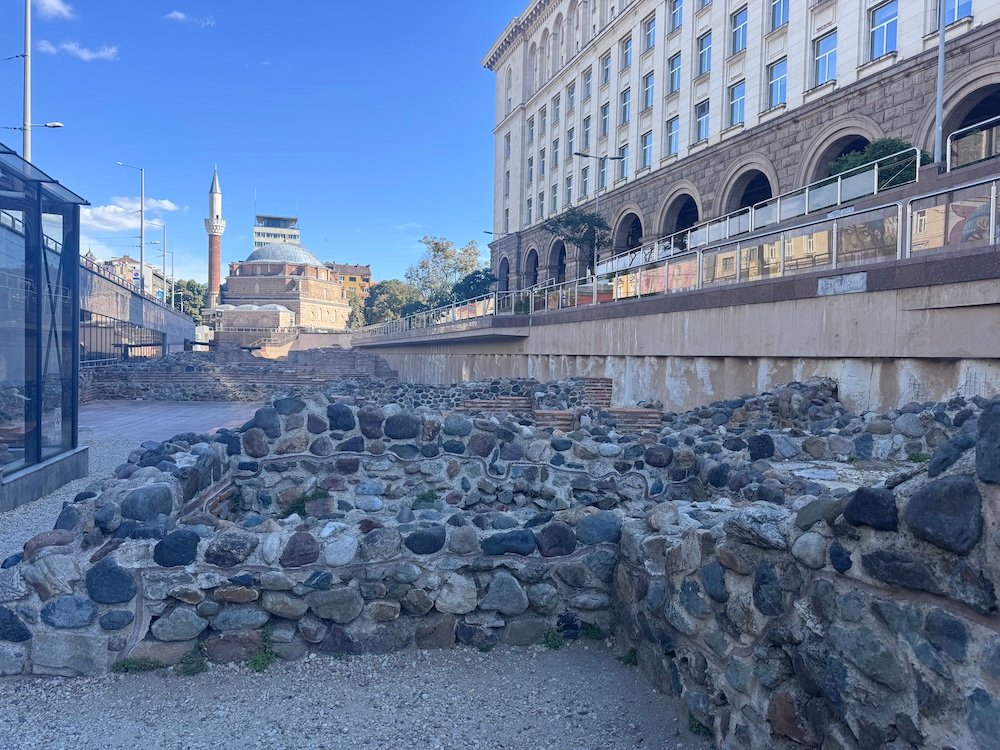
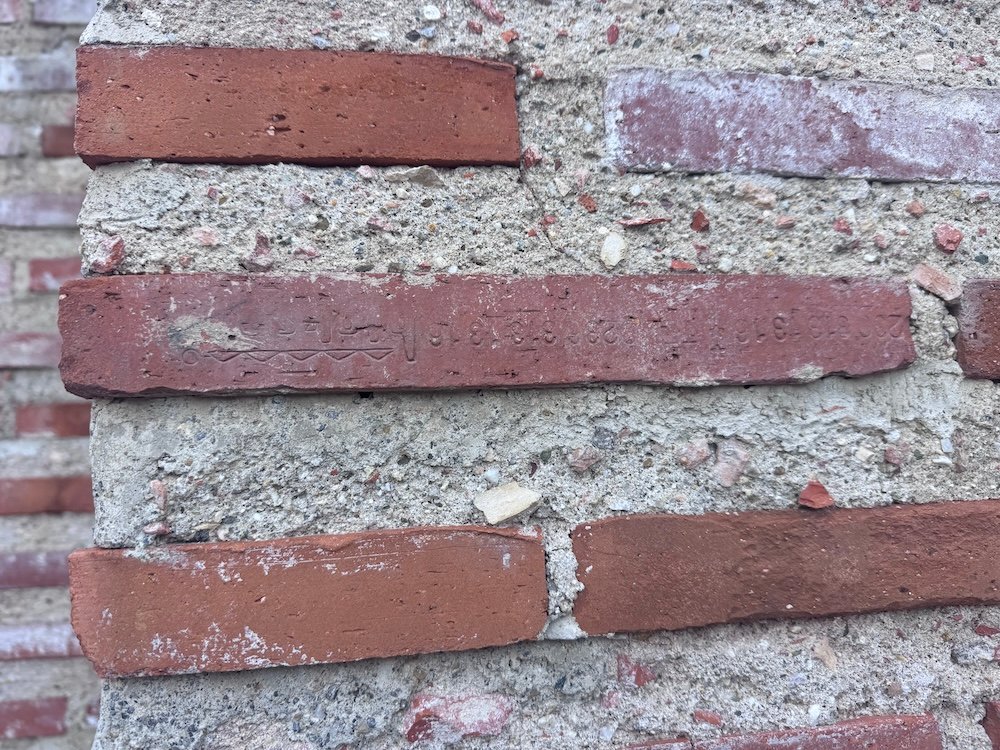
Of course you don’t have to take a walking tour and could explore on your own, but I think you’ll miss so much of the history. But if you insist on going on your own, the big things to keep an eye out for are Serdika Ruins (ancient ruins that were discovered during the construction of the metro and partially rebuilt), the Sofia baths (which houses the Sofia History Museum that we’ll visit later), and the Alexander Nevsky Cathedral.
Noon – Touring Some Cathedrals
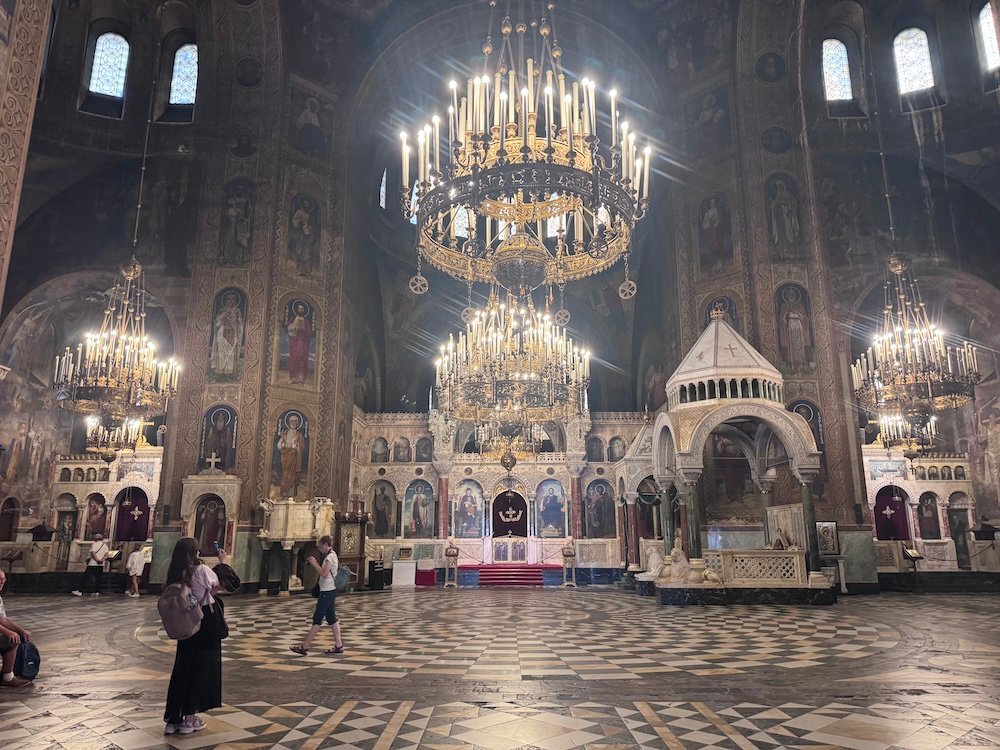
If you took the walking tour I recommended, you’ll end at Alexander Nevsky Cathedral. But you’ll end at the exterior of the cathedral, so before you go anywhere, make sure to step inside to see it. This cathedral was once the largest Orthodox cathedral in the world (but the Church of St. Sava in Belgrade, Serbia took its title and then later the Patriarchal Cathedral in Bucharest, Romania overtook that). It’s a nice interior, but I don’t know if it’s my favorite orthodox interior.
From the Alexander Nevsky Cathedral, you can visit St. Sofia Church. While the church itself isn’t too special in my opinion, its story is important. This church is part of the reason that the city of Sofia is called Sofia. The church was built on a small hill and pilgrims were able to see the church from a distance and say “There’s Sofia”. Eventually the city got its name.
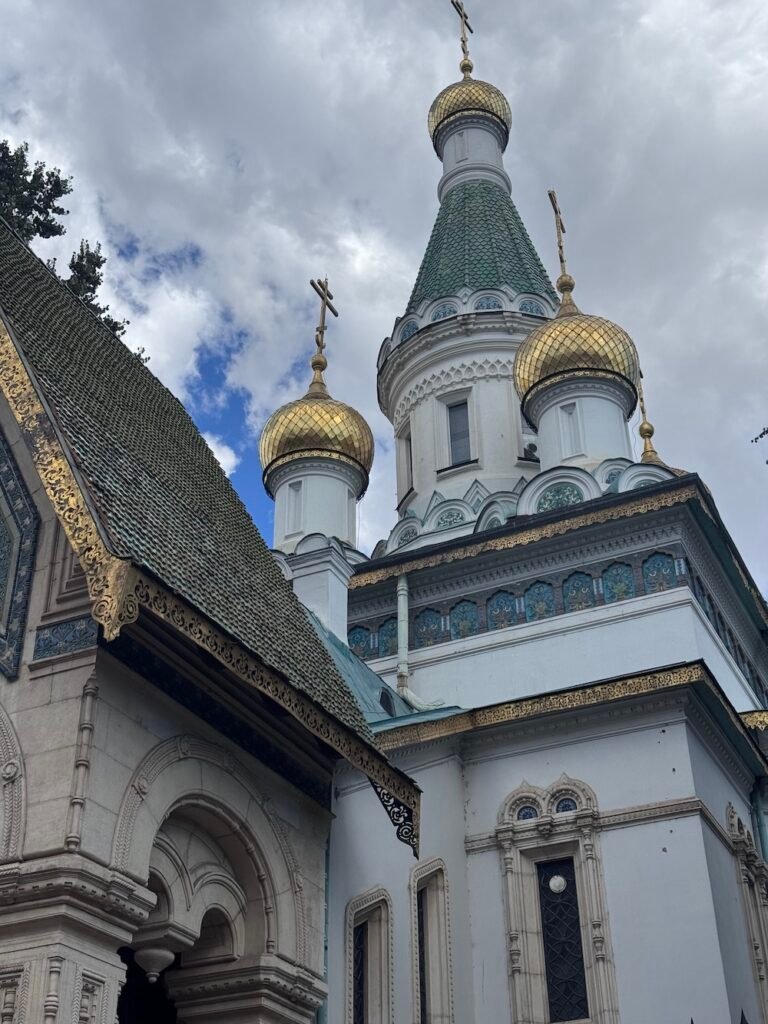
Lastly, I want to mention the Church of St. Nicholas the Wondermaker. There’s actually two St. Nicholas churches in Sofia, but I’m specifically referring to the church on Tsar Osvoboditel Boulevard. It looks Russian, because it actually is. After so many Orthodox churches and cathedrals, I’m always looking for some churches that look just a little bit different.
Lunch
Take a break from sightseeing and enjoy a delicious lunch. There’s no shortage of good restaurants in Sofia so you shouldn’t have a problem finding somewhere good to eat. At the end of your walking tour, make sure to ask your guide for recommendations. Their recommendations are going to be way better than anything I could recommend.
Afternoon – Sofia History Museum
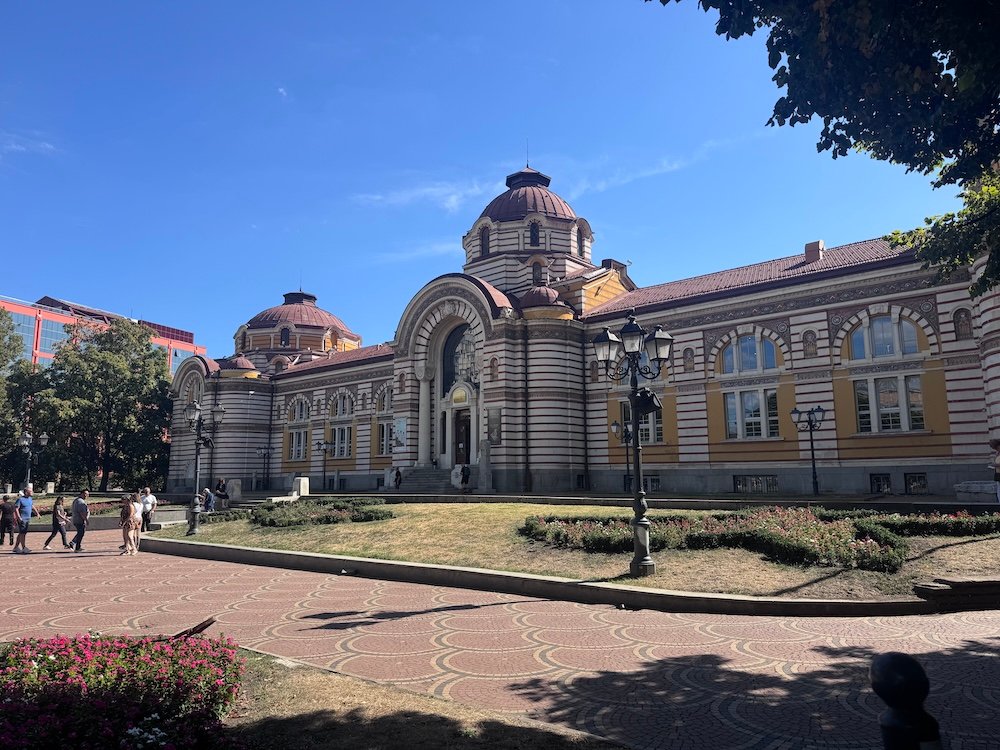
There’s several museums you can visit in Sofia, but I think that the Sofia History Museum is one of the most accessible. That said, if you’re a huge history buff, you may prefer to make the effort to go to the National History Museum of Bulgaria, which requires some public transportation to reach.
The Sofia History Museum, unsurprisingly, tells the story of the city. The museum houses artifacts going back thousands of years because this land was populated for more than six thousand years. So you’ll see pottery from ancient times and trace how that changed and evolved. The museum continues with displays from more modern times as well, including objects from its recent communist past.
The museum is located in the city’s former baths, which is an interesting place for a museum. It wouldn’t be my top choice, but I’m not in charge of museums in Sofia.
The Sofia History Museum is inexpensive and can be visited in about an hour.
Late Afternoon – Traveler’s Choice
As we move from late afternoon into evening, it becomes travelers’ choice and you can choose what you want to do. Depending on how fast you moved at the Sofia History Museum, you may have some time to squeeze in another museum or site. Or, you could go and sit in a cafe or bar and have a drink.
One option is to take another walking tour. I absolutely loved my tour guide from my morning walking tour so I took another walking tour with the same company. Most days at 4:00 pm, there is a communism walking tour that departs from the Palace of Justice. On this tour, you’ll go a bit off the beaten path and learn about the rise and fall of communism in Bulgaria. Throughout the tour your guide will include stories either from their lives, their parents’ lives, or their grandparents’ lives of what it was like living under the communism regime.
It is up to you how you spend your evening in Sofia.
Is One Day in Sofia, Bulgaria Enough?
I think one day in Sofia is just enough time to see the highlights of the city. Is there more that you can do than what I have listed here? Absolutely. But if you have more than one day in Sofia (and I recommend that you do), I think your first priority should be one of the great day trips.
Beyond Sofia, Bulgaria
As I mentioned, I recommend spending more than one day in Sofia so you can take advantage of the day trips. The two most popular destinations are the Rila Lakes and the Rila Monastery. Both can be visited on a day trip from Sofia, but for those with less time, you can combine both of these into one very long day trip.
Another option is the Boyana Church and Boyana Waterfall. While technically still in Sofia, it takes a bit more effort to get here and these are typically included with day trips to the Rila Monastery (not the combined day trip to the monastery and Rila Lakes). However, you don’t need a tour to get here and can reach this part of Sofia with a combination of the metro and buses.
How to Get to Sofia, Bulgaria
Sofia is the capital city of Bulgaria and it’s well connected with all destinations around the country. You can utilize trains or buses, depending on your preference.
For international destinations, you have several options. For flights, look at the Sofia airport (airport code SOF), though you should note that there are direct buses between Istanbul airport and Sofia and Istanbul will have loads more connections than Sofia. Of course if you use the Istanbul airport, you need to budget in extra travel time in your itinerary.
Find train connections on the Bulgarian Train Website and even purchase your tickets online.
The international bus terminal in Sofia also has numerous connections across Europe. The best place to look for these connections is on the bus station website.
How to Get Around Sofia, Bulgaria
Getting around Sofia is easy. Once you’re in the center, you shouldn’t need too much public transportation, but the option for public transportation is there if you need it.
While you can buy single use tickets at metro stations, it’s so much easier to just use your contactless card to pay. Whenever you enter a bus, metro, or tram, just tap your card on the blue box. Each night at midnight, the amount of taps will be added up and your card will be charged appropriately. At the time of writing it’s 0.80 euros for a single trip and 2 euros for a day pass. That’s pretty cheap.
For most tourists though, the only time you may want to think about using public transportation is reaching the train or bus stations. If you plan to do an independent trip to Boyana Church, then you’ll also be looking at public transportation.
Final Thoughts
Sofia is an interesting city to wander. There’s no Old Town, but that doesn’t mean that there aren’t interesting things to find. While a walking tour is sure to give you more context and point out some of the highlights, I think there’s a lot to be said for walking around the center to see what you find.
