
Crveni Krst near Nis, Serbia has the distinction of being the first concentration camp in Yugoslavia. At the same time, it’s one of the few Nazi concentration camps that survived and remained intact. Records of those who were sent here were destroyed, but the buildings are still standing on the grounds.
If you’re planning a visit to Nis, Serbia, I highly recommend a visit to Crveni Krst Concentration Camp to learn a bit more about what happened during World War 2.
About Crveni Krst Concentration Camp
The Crveni Krst Concentration Camp, is also known as the “Red Cross” Concentration Camp, and is on the site of a former military barracks. It gets its name from a nearby Red Cross facility, which got its name from the nearby train station. And when I say Red Cross, I do mean the international humanitarian organization.
Before Crveni Krst became a Nazi concentration camp, this area was used to house captured soldiers during World War 2. The Red Cross took care of the needs of these prisoners until June 1941, when the last prisoners of war were released. It took two months for this camp to transform into a Nazi concentration camp.
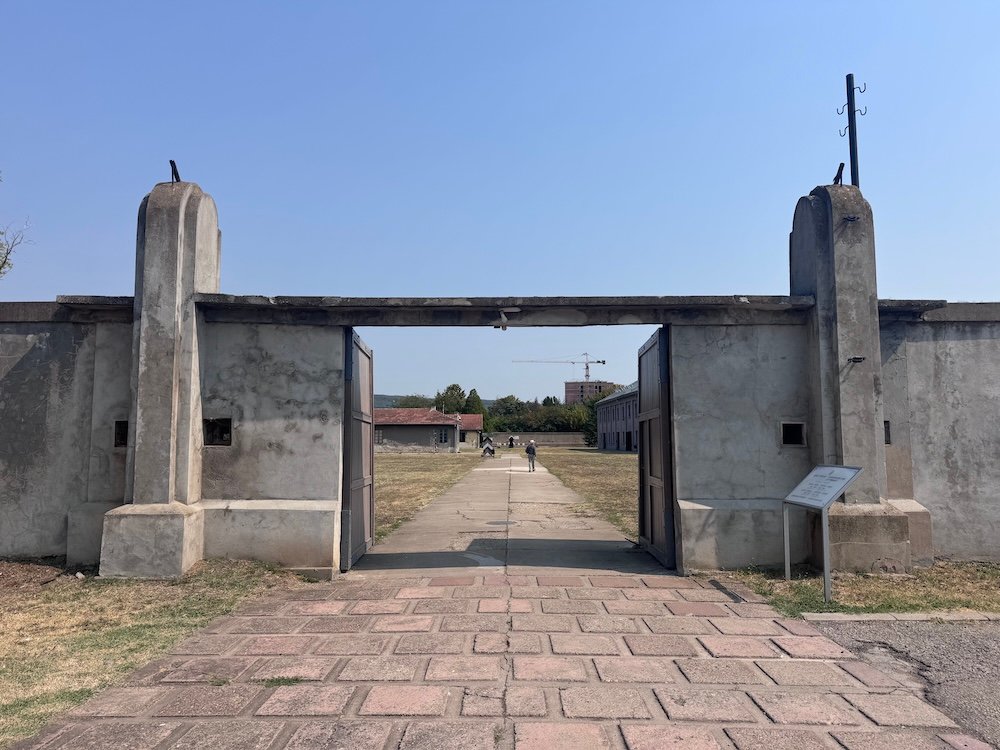
As I mentioned earlier, Crevni Krst was the first concentration camp within Yugoslavia. While the camp started with political prisoners, it eventually expanded to house Jewish people not just from Nis, but from many different parts of Serbia. By September, over 200 Jewish people were held in the camps and it did not take long for Nazi soldiers to begin their executions.
Unlike concentration camps like Auschwitz, there were no gas chambers at Crveni Krst. In fact, many of the deaths that occurred at this concentration camp actually took place at nearby Bubanj where prisoners were shot. It’s estimated that around 10,000 people were executed here, though that number is unconfirmed and some estimates are as high as 35,000. Today, there’s a memorial set at Bubanj to remember the victims.
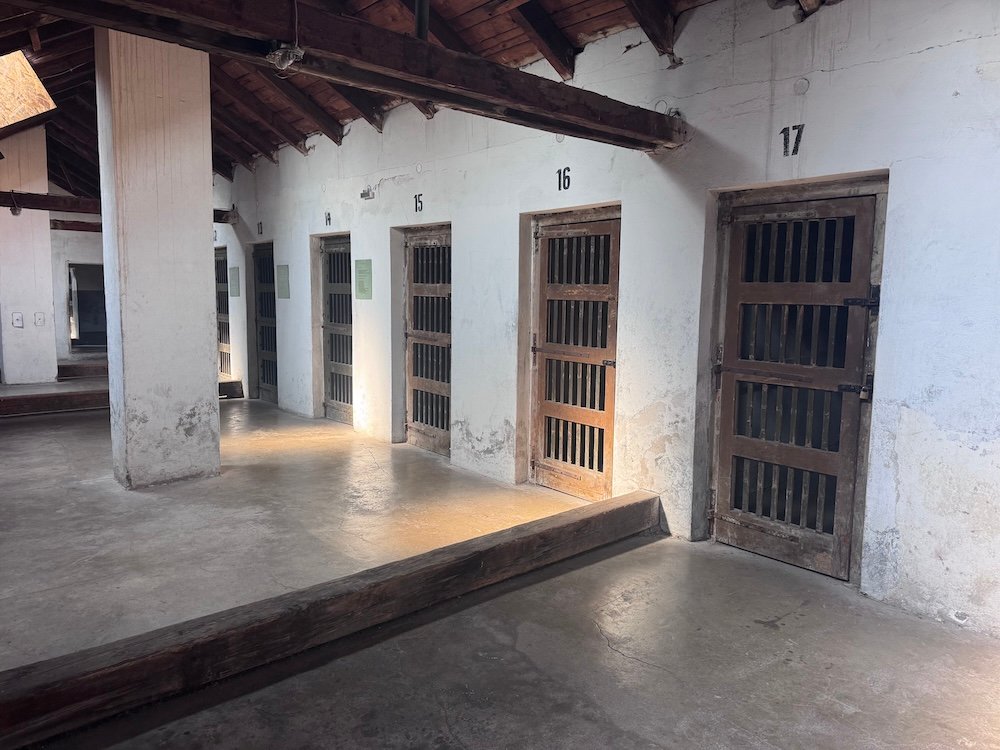
Like many other Nazi concentration camps, conditions at Crveni Krst were horrible with minimal food and inadequate care. It’s likely what helped to contribute to the events of February 12, 1942. On this day, 147 prisoners attempted to escape the camp. Forty-two of those prisoners died in their attempt, but 105 prisoners were successful. This is one of the largest breakouts of any Nazi concentration camp. While it can almost be considered something to celebrate, Nazis executed many of the remaining prisoners still at the camp as punishment.
Those who were not executed at Crveni Krst were eventually sent to other concentration camps all across Europe. While there are scarce records, researchers have been able to confirm that prisoners from this concentration camp were sent as far as north as Norway and down to Greece, plus camps in several other countries.
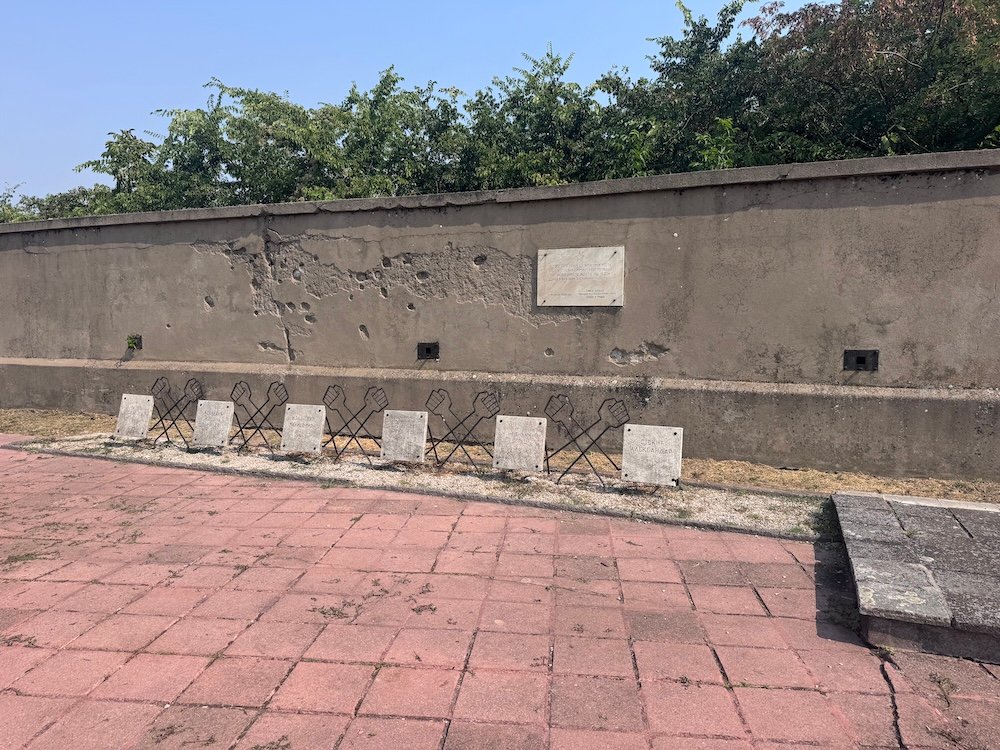
As the museum states, they’ve done their best to trace the victims of Crveni Krst Concentration Camp, but records were difficult and they only considered something true if they could corroborate it with two sources. That means that the list of names of victims in the museum display is almost certainly missing names.
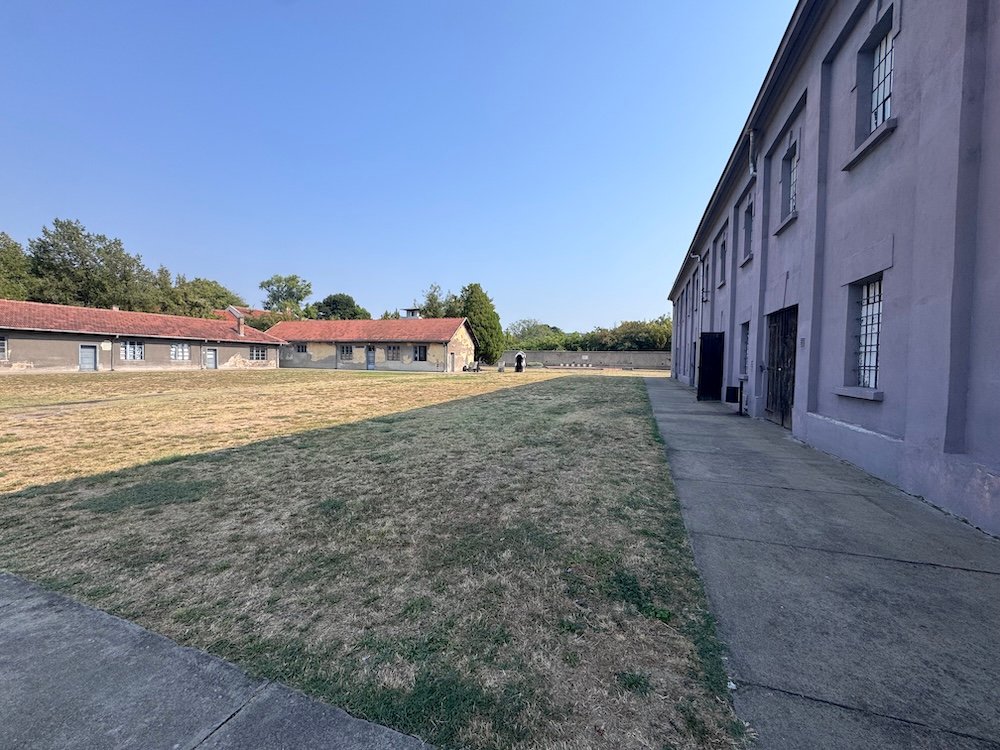
The Crveni Krst Concentration Camp was liberated in 1944. While many of the records were destroyed, the camp itself stands as it did back in the 1940s. It’s the only concentration camp in the former Yugoslavia that has been preserved in its entirety and one of the few in all of Europe to remain intact.
How to Visit Crveni Krst Concentration Camp
The Crveni Krst Concentration Camp is easy to visit from the center of Nis. You could take a bus, but from the center of the city, it’s only a twenty minute walk (10 minutes from the bus station). Walk up the long path past the memorial and enter through the large entry way. You’ll find the ticket office on your left.
While the ticket office was staffed during my visit, I read some reviews and said that’s not always the case. If it’s not staffed, I’d go ahead and tour the big building and pay your entrance fee at the end of your visit. No one will check for a valid ticket, but it’s still good to pay your entrance fee.
At the time of writing, entrance to Crveni Krst Concentration Camp costs just 300 RSD per adult. There are various ticketing bundles you can get if you want to visit more sights in Nis.
I’d recommend giving yourself about an hour and a half for your visit to Crveni Krst. There’s not a lot of buildings to tour, but you’ll want to stop and read all of the informational signs to learn what happened here.
More Things to Do in Nis, Serbia
While I believe that the most important thing to do in Nis is to visit the Crveni Krst Concentration Camp, there are other things that you can do on your visit.
Take a wander through the Nis Fortress. There’s not much left of the original fortress, though there are a few informational signs along the way. Now this area is a large park with plenty of trails, benches, and places to enjoy a small bit of nature.
You can visit the Skull Tower, which is literally made with human skulls. The skulls were from the members of a failed rebellion during the Battle of Cegar during the Ottoman Rule.
The Bubanj Memorial is a bit out of town, but is a memorial for those who were murdered at the Crveni Krst Concentration Camp. Remember, most of those who died here didn’t die at the camp but were transported to the nearby hill to be shot.
For churches, you can visit the Holy Trinity Cathedral, which is an Orthodox Church. For a main square, try King Milan Square (though it’s definitely not my favorite square in Serbia).
How Long Do You Need in Nis, Serbia
You could cover the highlights of Nis, Serbia in one day. Compared to other cities in Serbia, Nis just wasn’t my favorite. Belgrade had more to do and I think both Novi Sad and Subotica are prettier. But, I do think Nis has some interesting and important sites, so it’s still worth venturing down to this city.
However, if you have more than one day, I’d recommend adding it to one of the other cities of Serbia.
How to Get to Nis, Serbia
Nis is well connected to loads of destinations, both domestic and international. I found the Nis-Ekspres bus company to be the best place to look for your buses.
Both of my connections to Nis were international. I took a bus from Sofia, Bulgaria to reach Nis and when I left, I caught a bus to Skopje, Macedonia. Both were booked through the Nis-Ekspres website. That said, just because you book through that website, doesn’t mean that Nis-Ekspres will operate the route. The route from Sofia to Nis was also sold by FlixBus, but was operated by Maputo, leading to a bit of confusion among travelers at the Sofia bus station.
If you’re purchasing your ticket on the Nis-Ekspres website, you’ll be asked for a JMBG number. It’s an identifying number for people from the region, so if you’re like me, you won’t have that. You won’t be able to buy a ticket without that number, but I had success just putting in my passport number. No one seemed to look that closely at any of it and I still got my ticket.
Nis also has an airport (code INI), but flights are very limited. It’s unlikely you’ll use this airport, but you will hear the few planes that do use it since it’s very close to the city.
How to Get Around Nis, Serbia
I found it very easy to get around Nis on foot. Yes, there are buses if you want to go somewhere a bit further, but I never had any issues with walking. It’s about a ten minute walk from the bus station to the city center. To reach Crveni Krst Concentration Camp, it’s about twenty minutes from the center.
Final Thoughts
I don’t think a visit to Nis is complete without stopping at Crveni Krst Concentration Camp. It’s not a fun and uplifting place to visit, but it’s an important reminder of what actually happened not just here in Nis, but all over Europe during World War 2.
Continue Your Adventure
Serbia: Start by touring the churches of Belgrade, but venture west to the Sargan Eight Train and Wooden Village or head east for the Manasija Monastery. In the north, stop by Novi Sad or Subotica.
