
After six weeks in Colombia, I headed south to Uruguay where I faced a bit of sticker shock. Compared to many other destinations in South America, Uruguay feels much more expensive. That’s not to say that it’s the most expensive place I’ve traveled (not by a long shot), but it can be a shock to the system when you’re used to prices elsewhere in South America.
Like with all of my trips, I meticulously kept track of every cent that I spent. So here’s what I spent, along with some of my tips for creating your own Uruguay travel budget.
About My Trip to Uruguay
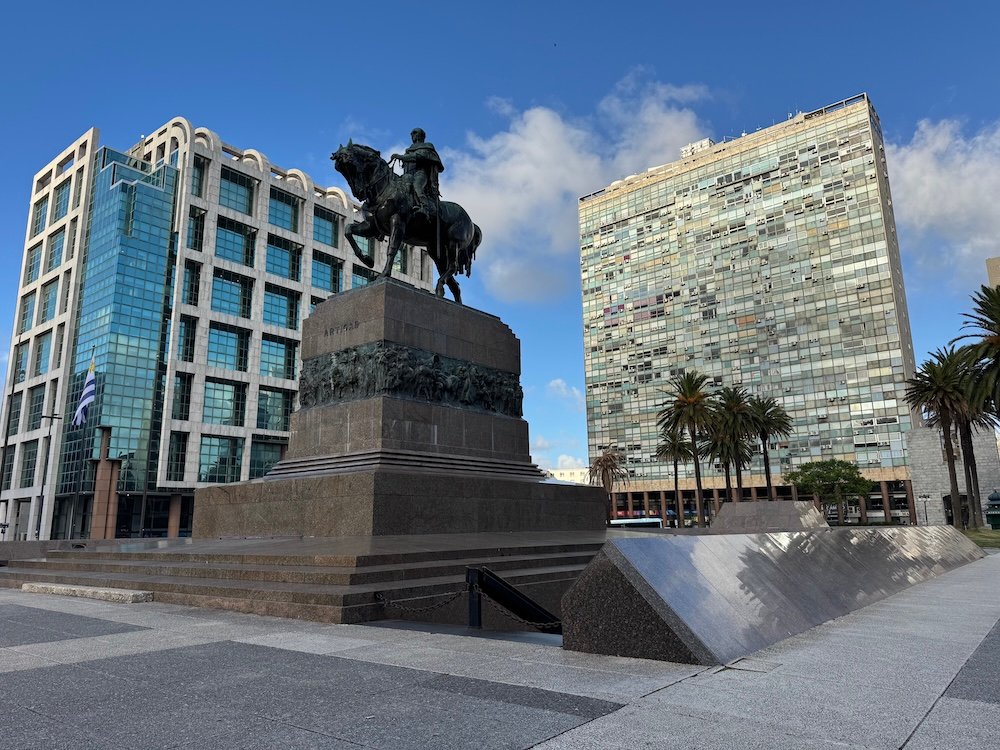
I spent two weeks in Uruguay and during that time I visited Punta del Diablo, Cabo Polonio, Montevideo, and Colonia. I traveled a bit slower than normal simply because this stop in Uruguay was part of a five month trip and I was doing my best to avoid travel burnout. So while I spent two weeks in Uruguay, I think you could do the same itinerary I did, but with just 10 days.
Though if you wanted to spend more time in Uruguay, there are plenty of places I didn’t visit. There are loads more beach towns and I didn’t even touch Uruguay’s interior.
About My Travel Style
As mentioned, my trip to Uruguay was part of a longer five month trip through South America, so budget was a concern. That said, I still paid for private rooms in every place I visited. I’m just past the days of hostel dorm rooms and need my own space.
Unfortunately for me, none of my hotels had breakfast, so I utilized the grocery store for breakfast and any snacks for later in the day. I typically ate out for one big meal each day and Uruguay’s portions make it easy to have one large meal.
For activities, I paid for a few, but indulged in many free activities to help balance my budget.
And lastly, I have to mention that I don’t drink alcohol or coffee. That’s a personal preference, but it also makes a huge impact on my travel budgets because I don’t have to account for those things.
An Important Note About This Budget
This article will use USD as a base. While the currency of Uruguay is Uruguayan Pesos (UYU), it’s not uncommon to see prices also listed in USD, Argentinian Pesos, and/or Brazilian Reals.
How Much Did I Spend in Uruguay?
Note that I’ve rounded each value to the dollar, just to make things a bit more digestible. So if you look at the average cost per day and think it doesn’t quite line up, that’s why.
| Total Spent | Average Per Day (13 Nights) | |
| Hotels | $595 | $46 |
| Transportation | $112 | $9 |
| Food | $244 | $19 |
| Activities | $113 | $8 |
| Total | $1064 | $82 |
Uruguay Travel Budget Breakdown
Sure, numbers are fine, but lets breakdown each of those categories further to give a little more detail. I’ll also give some ideas for ways you can adjust the budget, either to save money or to travel more luxuriously.
Hotels
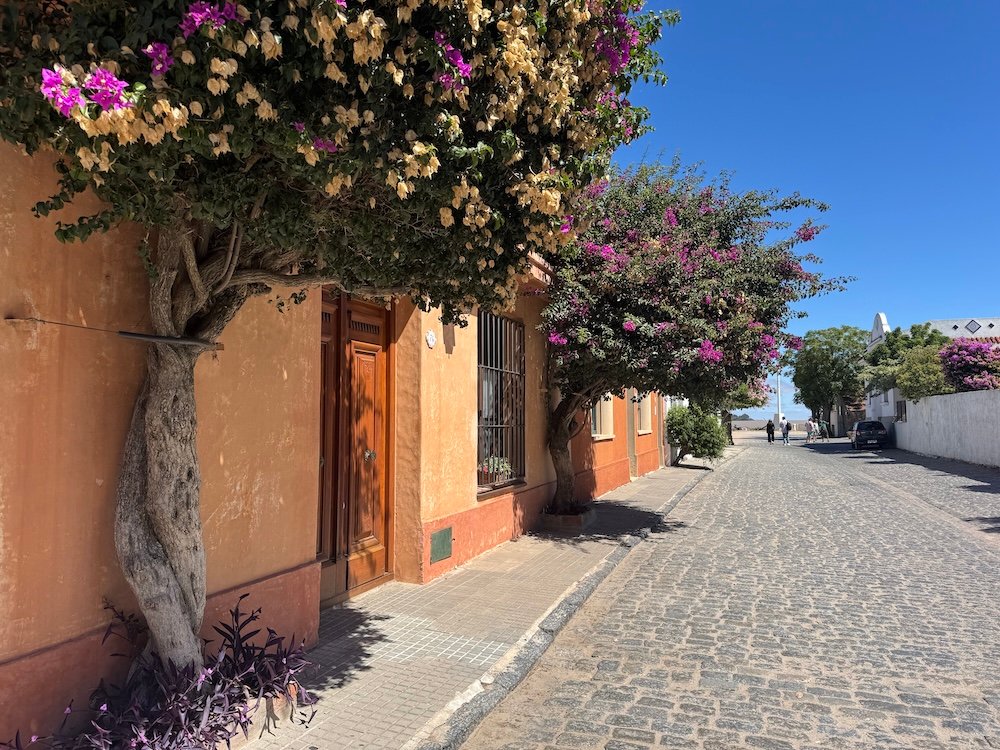
I spent an average of $46 per night while in Uruguay. Every stop had a private room, though my stay in Cabo Polonio had a shared bathroom. There was no one place that was significantly more expensive and all of my private rooms fell between that $40 and $50 per night range.
Only one of these stays included free breakfast, but the breakfast was just toast. This was a bummer, especially after six weeks in Colombia where I got a made to order breakfast at nearly every place I stayed.
The good news is that the rooms were nice so even though I was looking for budget rooms, I was able to find decent hotels in Colonia and Montevideo. In Cabo Polonio, every hotel and hostel is basic because of the nature of the location.
In Punta del Diablo, I’ll admit that I struggled a bit with finding a reasonable place to stay. Despite being my most expensive stay, my hostel in Punta del Diablo was pretty basic. Unless you’re willing to spend more money, be ready for basic accommodation here. That said, Punta del Diablo is a beach town and the town is filled with vacation rentals. If I were to do it again, I’d seriously consider just renting a house or an apartment for my stay.
Adjustments to the Budget
For the most part, if you’re looking for basic private rooms, I don’t think you can get much cheaper than what I paid (unless you’re traveling in the winter off season). So, I’d suggest using $50 per night as a starting point. In Punta del Diablo, budget $60 per night as it will just make your planning easier.
For those going cheaper, hostel dorm rooms are the way to go and you’ll be able to find beds for as cheap as $15 per night.
For those with a higher budget, the sky is the limit. The possible exception to this is Cabo Polonio were all accommodation is basic.
Transportation
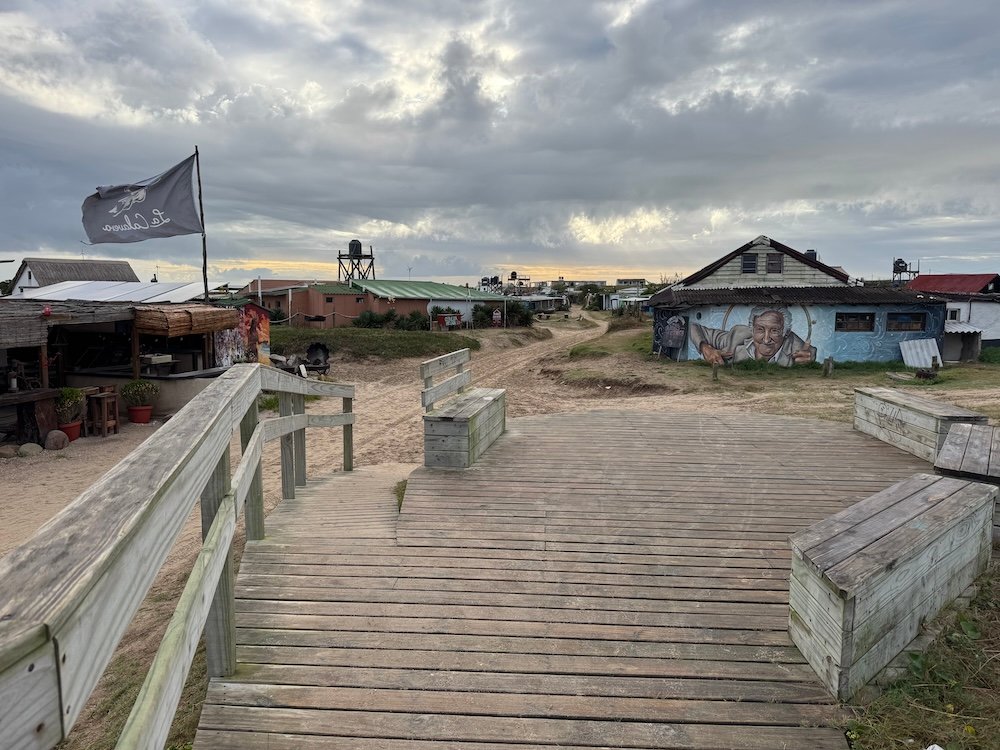
I took a handful of buses to get around the country so the average of $9 per day isn’t necessarily applicable. I took four buses during my time in Uruguay and they are listed below with prices.
Montevideo Airpot to Punta del Diablo: $26
Punta del Diablo to Cabo Polonio: $16
Cabo Polonio Return Dune Buggy: $13
Cabo Polonio to Montevideo: $26
Montevideo to Colonia: $15
This total also includes two Ubers with in Montevideo. The Tres Cruces bus terminal was a bit far from my hotel in Ciudad Vieja and I did not want to walk over an hour with all of my luggage. So instead I splurged on two Ubers. Each Uber costed approximately $8.50.
Adjustments to the Budget
If you’re traveling via public transportation, there’s really nothing you can do to lower this number. Buses cost money and there’s really nothing you can do to get that price lower. Even booking in advance won’t save you any money.
One thing I would consider, especially if you’re traveling as a couple or a small group, is to consider renting a car for part of the journey. You could rent a car from the Montevideo airport and drive to Punta del Diablo and Cabo Polonio (though you’ll still need to take the shuttle to the town of Cabo Polonio). Having a car in Punta del Diablo would make it easier to visit Laguna Negra and Santa Teresa National Park, though you incur the cost of the car and the gas.
Uruguay’s roads are so much calmer than many other countries in South America that I do think that this is a viable option.
Food
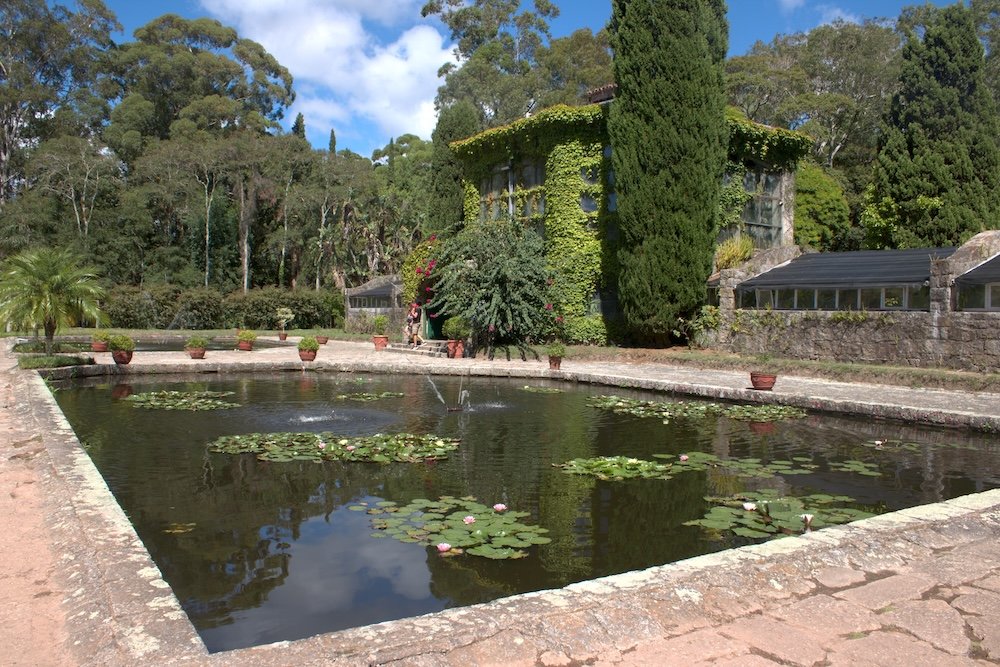
I spent $244 on food while in Uruguay, but I think it’s important to break down those numbers a bit further. I utilized grocery stores a bit more frequently than normal in Uruguay and I want to make sure my travel budget breakdown really accounts for that. So of that $244, $179 was spent at meals from 13 restaurants and $65 was spent on food from the grocery store.
While I normally like to rely on breakfast at my accommodations, only one hotel offered breakfast, but their breakfast was just toast. So unfortunately I couldn’t use one of my money saving strategies here.
As mentioned earlier, I typically ate just one meal out per day and that became my biggest money saving strategy in Uruguay. Portions are huge so that if I ate a late lunch, I was typically still full by the evening.
Adjustments to the Budget
I think the bottom line here is that eating out in Uruguay is more expensive than most other locations in South America. So, if you plan to eat most of your meals you, you need to budget more than I did. At an absolute minimum, budget $10 per person per meal, but I think $15 is a better base line. If you go up to even $20 per person per meal, you’ll have more options, though of course you can go even higher.
If you’re on a strict budget, visit grocery stores and cook. I ate all of my breakfasts from the grocery store and supplemented one cheap meal in a restaurant with grocery store food. I’d say if you’re going to rely on grocery stores, set aside at least $10 per day.
Activities
I paid for a few activities in Uruguay and here’s what they were.
24 hour bike rental in Punta del Diablo: $13
Montevideo Walking Tour: $13
Punta del Este Guided Day Trip: $58 (this includes my entry to Casapueblo)
Colonia Lighthouse: $1
This makes it look like I didn’t do a lot in Uruguay, but nearly a third of my trip was spent at beach towns. In Montevideo and Colonia, I did a few activities, but spent a lot of time just walking the streets and exploring on foot. I had a great time and that helped to keep my costs down.
Adjustments to the Budget
Activities are completely subjective and it’s going to vary from person to person. You can skip some of the activities I did or add on more activities yourself. For the average person, I think the activities that I have listed here are a very good starting point for a Uruguay travel budget.
A Reminder About Inflation
I traveled in March 2026, so the prices are accurate as of my trip. Prices change over time and it’s important to adjust any budget for inflation.
Final Thoughts
Is Uruguay more expensive than other countries in South America? Absolutely! But that doesn’t mean that you shouldn’t visit. After plenty of sticker shock, I readjusted my frame of reference, but tried to maintain that budget mindset. I still did activities and ate good food while in Uruguay. It was just done in moderation and I finished my trip with an average of almost $80 per day. That’s not too bad.
Continue Your Adventure
Uruguay: Don’t skip the capital city of Montevideo, though know that Colonia del Sacramento is prettier. For beach towns, consider the modern Punta del Este, the classic Punta del Diablo, or the off the beaten path Cabo Polonio.
