
Medellin is a large city in Colombia that doesn’t have the best reputation. Despite that, the city has invested and revitalized itself and become a place that many travelers include on their Colombia itineraries. The scars are still there, but there’s much more to Medellin than it’s dark past. Over two days in the city, I took tours and tried to learn as much as I could.
Here’s what I recommend for two days in Medellin, Colombia.
Two Days in Medellin, Colombia
This is not the only way to spend two days in Medellin, but it’s what I recommend because it’s very similar to how I spent my two days in the city. It’s heavy on tours because I found that’s where I got the most value. Unlike many other cities, there’s not a charming, historic Old Town and the massive city can feel light on sights. So instead, I focused on tours and learning as much as I could. As someone who is not generally a city tour person, I got so much out of it that I recommend it for others.
So let’s get into this two day itinerary for Medellin.
Day 1 – An Introduction to Medellin
While I’ll be the first to admit that I’m not usually a guided walking tour person, I made an exception in Medellin and I suggest you do the same. There are numerous companies that offer walking tours around the city, but the company I went with (and which has some of the highest reviews) is Real City Tours. They have numerous tour options, but I recommend starting your two days in Medellin with their basic free walking tour.
From the Alpujarra metro station you’ll learn about the city of Medellin as you make your way through part of the historic center. Unlike cities like Cartagena or Bogota, Medellin doesn’t have as much charm. There’s few historic buildings and if I’m honest, there’s not a lot to see. This is where having a guide comes in. Real City Tours prides itself in hiring guides that not only live in Medellin but grew up in Medellin. Their personal stories help to bring the city to life.
When I visited Medellin, Real City Tour’s Free Walking Tour started at 10:00 am and lasted nearly four hours. That’s a long time, but the guides are such good storytellers that the time just flies by. After your tour, grab some lunch. If your guide is anything like mine, he’ll have a whole host of recommendations of good places to eat. I would recommend sticking close to the area where your tour finished, though, as it will make it more convenient for later.
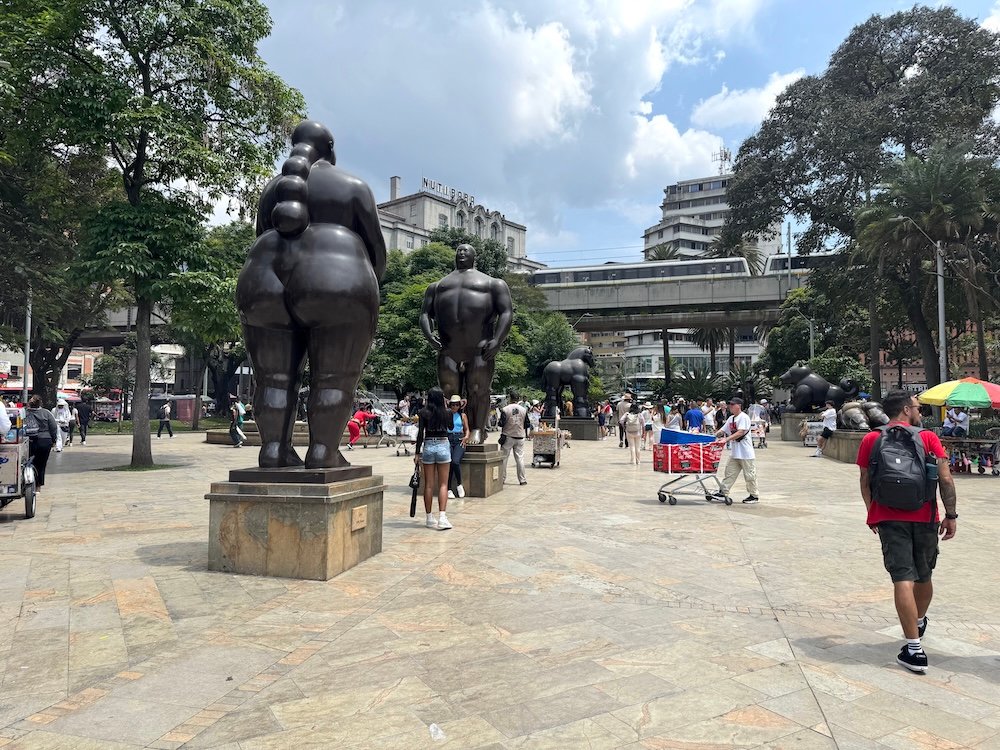
There’s a little bit of time before all of the museums start to close so take the rest of the day to cram in a bit of sightseeing. Your tour likely went through Plaza Botero, but if it didn’t, make sure to stop and see the iconic sculptures.
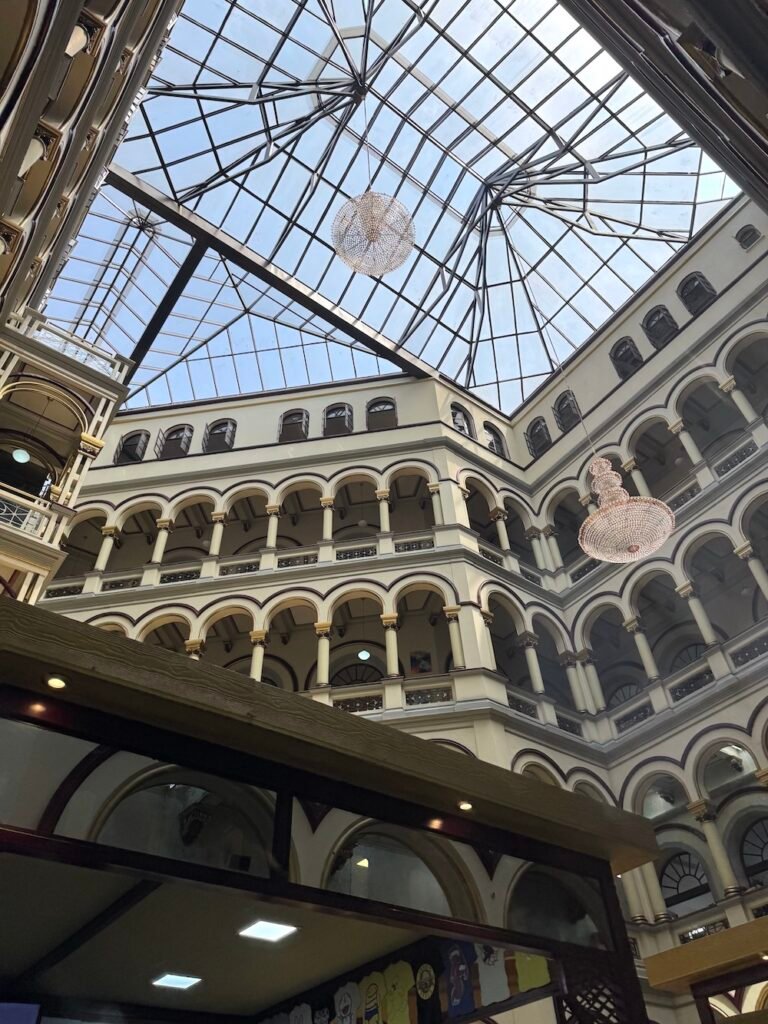
Beyond that, you can visit the Memory House Museum (Museo Casa de la Memoria) for a deeper look at the violence of the 1980s and 1990s. My tour also stopped at the National Palace Mall which is a gorgeous building and features an art gallery on the top floor with nice views of the city. If none of these interest you, there’s still plenty more museums you can take in in this area.
How you spend the rest of your day is up to you.
Day 2 – More of Medellin
With your second day in Medellin, spend the morning getting to see a little more of the city. I have two options and it’s up to you which you choose.
The first option is to spend some time exploring El Poblado. This is the most popular area of the city for tourists and you’ll find plenty of great restaurants and cafes. I’ll be honest and admit that I didn’t see as much of this area as I had hoped. My plans in Medellin ended up changing a bit due to making some friends on my walking tour, but I’ve heard great things about this area of the city that I have to include it as an option.
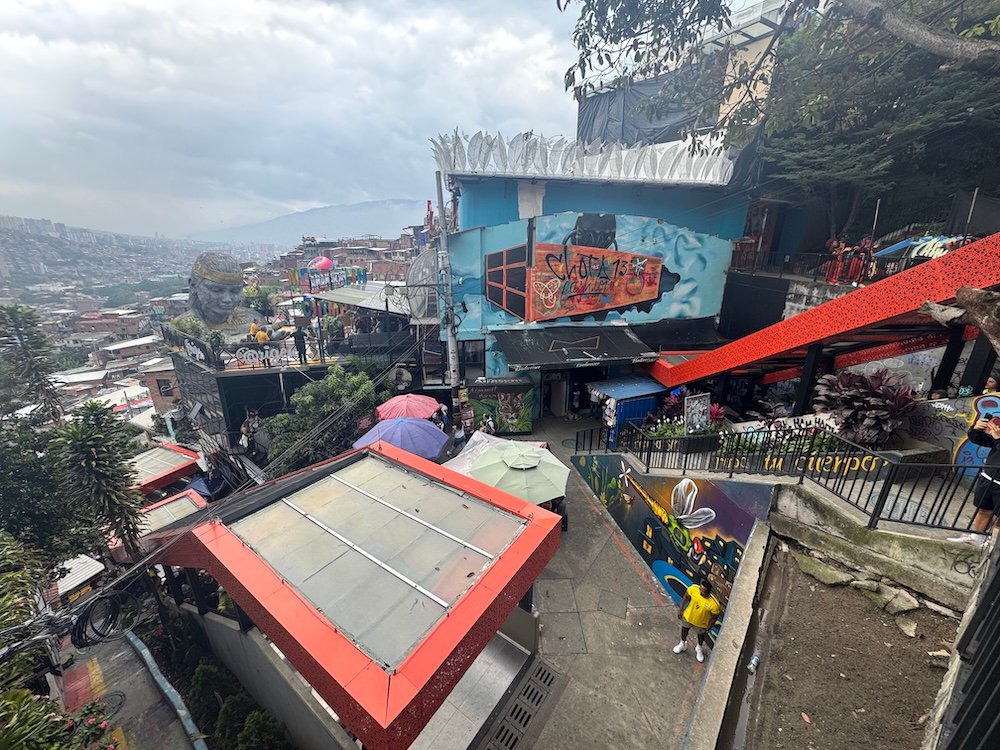
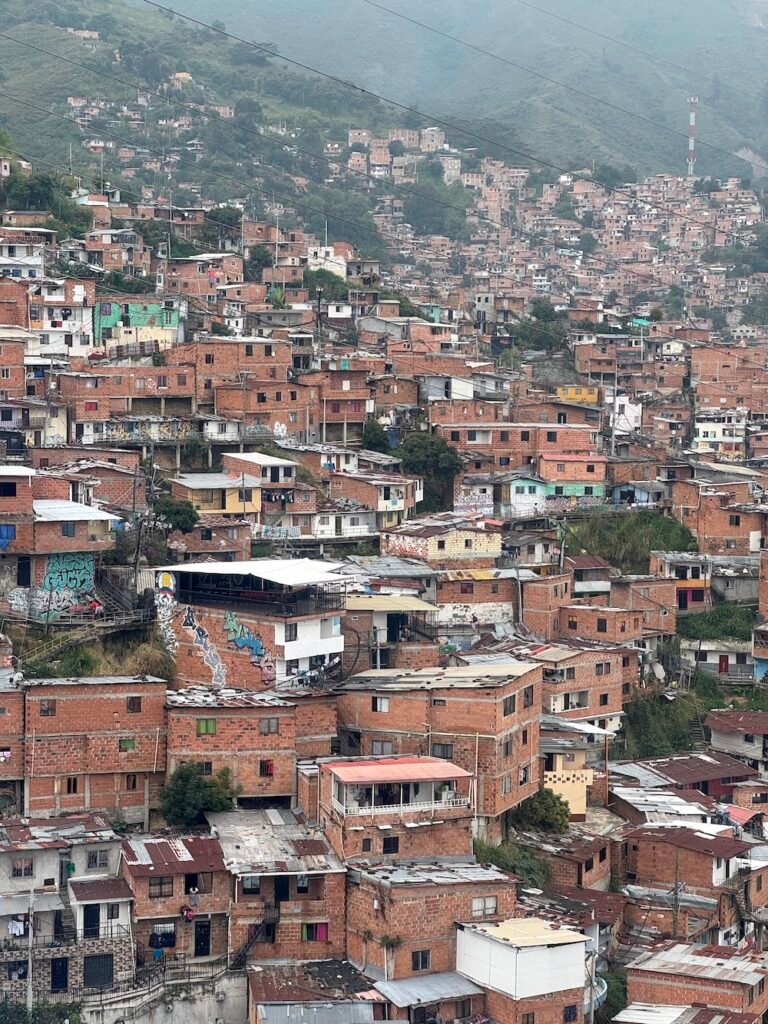
Option 2 is to visit Comuna 13. This neighborhood has revitalized itself. While it wasn’t one of the worst neighborhoods in Medellin during the height of the city’s violence, it definitely had its fair share of violence. Now the neighborhood is lined with street art and full of music. You could visit on your own and just wander and see what you find, or you could book a tour which will give you a little more information and context.
I have mixed feelings on Comuna 13. I took a tour because it felt like one of those things that you just had to do in Medellin. I’m glad I did it, but I didn’t love it. My guide for the Medellin walking tour said that Comuna 13 can feel like Disneyland, and wow did I feel that. It feels like it’s there to cater to tourists, not to be a neighborhood that is actively lived in (though people do live here).
My goal in telling you this isn’t to scare you off from visiting Comuna 13, but rather to make sure that you set your expectations appropriately.
For the late afternoon and evening, I’m going to recommend one more tour. It’s another tour offered by Real City Tours, but I enjoyed it so much. Pablo Escobar is Medellin’s most notorious resident and there are plenty of tours in Medellin that will focus strictly on him and his life. Real City Tours offers a “More Than Escobar” tour which I think does a great job of putting everything into context.
You’ll talk about Escobar, but you’ll also talk about the whole story of cocaine all the way from the indigenous people’s uses of the coca leaf to the discovery of cocaine to the beginnings of drug trafficking to Escobar’s terror over the city. What makes this tour different is that Escobar is mentioned, but he’s not the sole focus. I learned a lot on this tour and it really helped to understand the broader picture.
Anytime after the tour is yours to do as you please.
Is Two Days in Medellin Enough?
This is tough to answer. I think two days in Medellin is good for a first time visit. You won’t see everything and will undoubtedly leave wanting to do more things, but it’s a great introduction to the city.
I would recommend starting with two days though because I think one day in Medellin would be incredibly rushed. It takes time to move through the city (even on public transportation) and with one day, you’re just not going to have enough time.
Three days may allow you to go at a more relaxed pace, though I think many people who spend three days in Medellin will spend their third day on a day trip to Guatapé. But I don’t think you’d run out of things to do if you had three days in Medellin.
Getting Around Medellin
Like with almost every city in Colombia, taxis and Ubers are an option. The downside to this is the same as all big cities. Traffic can be absolutely terrible. The good news is that Medellin also has the best public transportation network in Colombia. Sure, there are buses, but more importantly there is the metro which bypasses all of that road traffic.
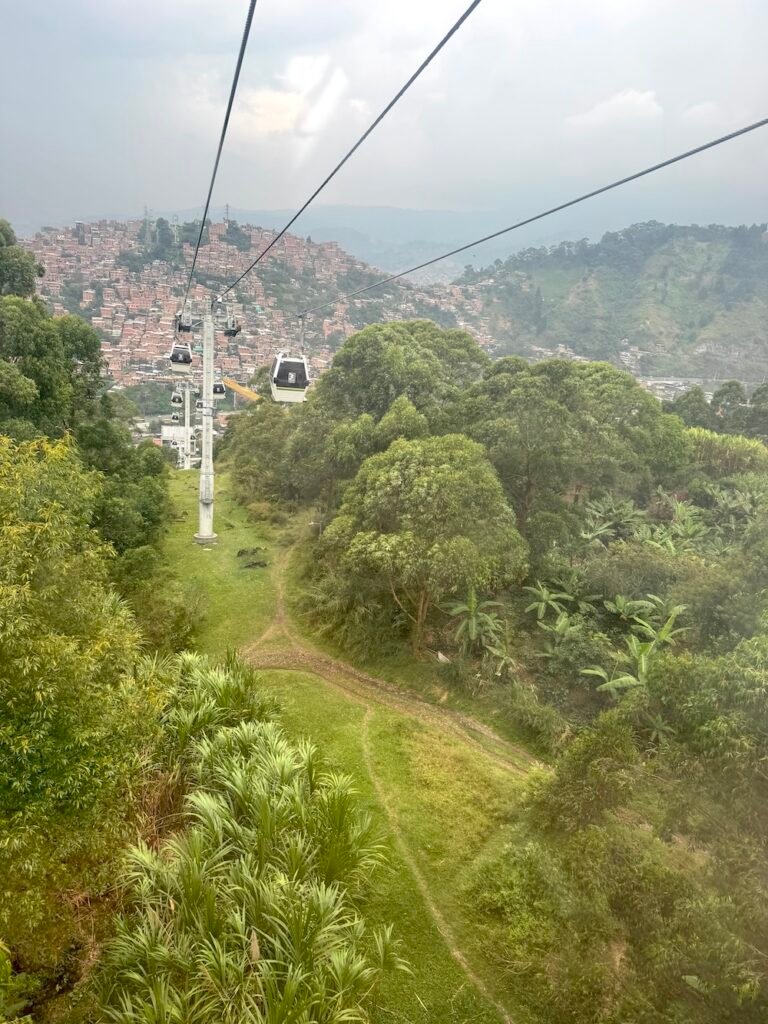
Medellin is the only city in Colombia to have a metro (Bogota is working on one but it’s not expected to open until 2028 which Colombians feel is optimistic). Medellin’s metro not as extensive as you will find in other major cities, but it does a great job of helping you get across the city. The metro also connects to a tram, a handful of buses (though not all buses in the city), and cable cars.
To use the metro, visit one of the stations and purchase a Civic card. Then, you’ll load money onto that card. All journeys cost the same amount (4,400 COP for the tourist Civic card as of 2026). So when you purchase your card (or if you need to top up), just ask for the number of journeys you need “cuatro idas, por favor” (four journeys, please). There are also machines that can help with loading cards, but if I’m honest, they often seemed to be out of order when I traveled, so everyone used the ticket counter.
How to Get to Medellin
Medellin is well connected with the rest of the country. If you’re traveling by bus, you’ll enter at one of two terminals: the north bus terminal or the south bus terminal. The south bus terminal is about a 15 minute walk to the Poblado metro station. The north bus terminal is right near the Caribe metro station.
For those flying into the Medellin, note that there are two airports. The smaller airport (Olaya Herrera, code OEH) is located right next to the south bus terminal. The airport is small and flights here are limited to small domestic planes, but if you have the option to fly here versus the larger airport, I’d recommend it. It’ll be so much more convenient because you’re basically already in Medellin.
Most flights, including all international flights, use the Jose Maria Cordova Airport (code MDE). It’s not actually located in Medellin and is instead located in Rionegro. So, you’ll need to budget extra time to actually reach Medellin. You can take a taxi or Uber, but these are expensive, coming it at 100,000 COP for the one way journey. A more convenient option is to take one of the airport buses. There are two destinations, so make sure you get on the correct bus, but these airport buses cost just 20,000 COP and drop you in the city where you can then connect to the metro, taxi, or Uber.
Note that with the larger airport, journeys used to be much longer. A new tunnel was opened that cuts the journey down from over 40 minutes to about 20 minutes (assuming no traffic). Not every bus or taxi will use the tunnel (though most will), so make sure you find out before boarding. The airport buses will have a sign saying “tunnel” on the front window if they use the tunnel.
Final Thoughts
As mentioned, I’m not generally a walking tour person, but I made an exception in Medellin and I’m so glad I did. The city can feel lighter on sights than other cities of a similar size, so having the tours to help contextualize what happened in Medellin was fantastic. It’s a great use of time, so don’t overlook them on your visit to Medellin. Just make sure to leave time for some other things beyond the walking tours.
Continue Your Adventure
More of Colombia’s Cities: Beyond Medellin, consider adding a visit to Cartagena, along Colombia’s coast, or Bogota, Colombia’s capital.
Colombia: Start planning your trip with my Colombia Travel Guide which includes a realistic travel budget, my top travel tips, safety information, a nine day itinerary, and so much more.
