
Colombia sits in the very north of South America and has so much to offer travelers. Picturesque beaches, salsa dancing, adventure activities, colonial towns, hiking, and endless museums are just some of the things you can do in this country.
I’ve now visited Colombia twice, spending a total of nearly two months trying to visit all of the top sights in the country. I’ve seen a lot, but just scratched the surface. Without a doubt, Colombia is one of my favorite countries, so I know I’ll be back again some day.
Let’s start planning your trip!
What to Do | Itineraries | Know Before You Go | Transportation | Budgeting |
Solo Female Travel & Safety
The Best of Colombia
Bogota | Cartagena | Medellin & Guatapé | Villa de Leyva | San Gil, Barichara, & Guane |
Lost City Trek | Coffee Region | Tatacoa Desert
Bogotá
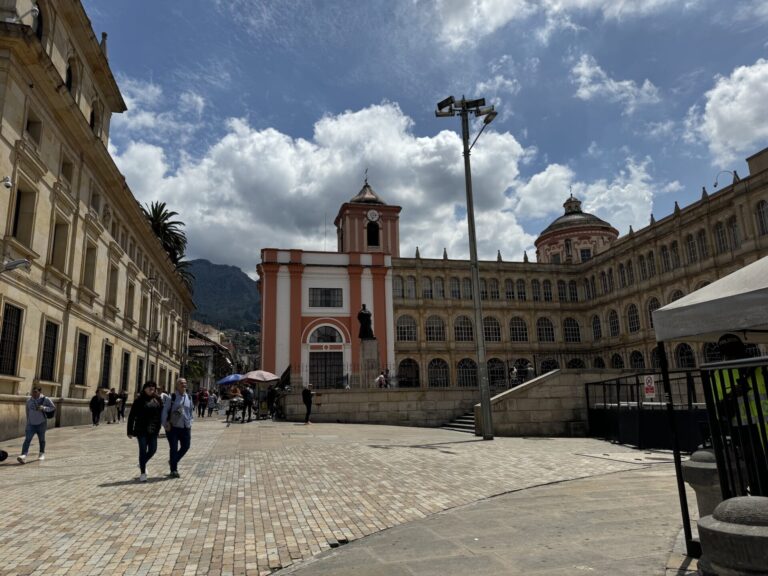
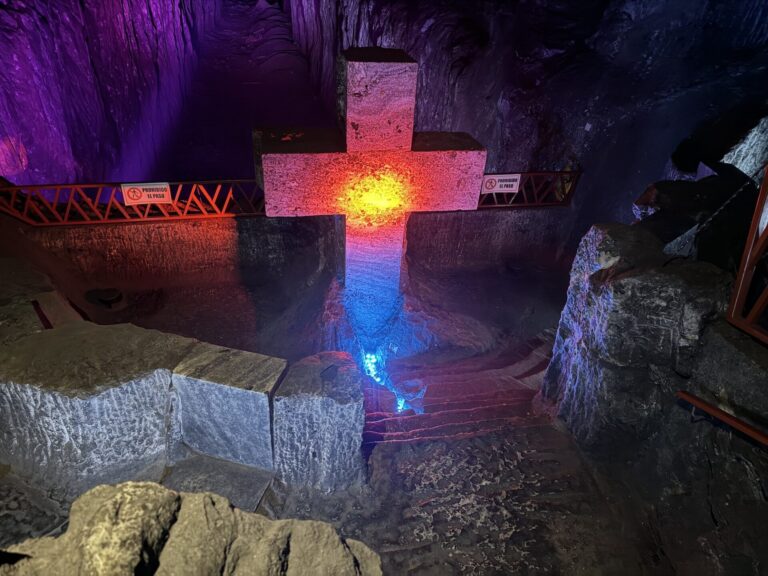
Bogotá is the capital of Colombia and because of the international flight connections, so many travelers will either start or end their trips here. Spend a few days in the city exploring the historic Old Town, climbing to the best view of the city, or taking a market tour. If you have more time, consider day tripping to one of Colombia’s Seven Wonders at nearby Zipaquirá.

Cartagena
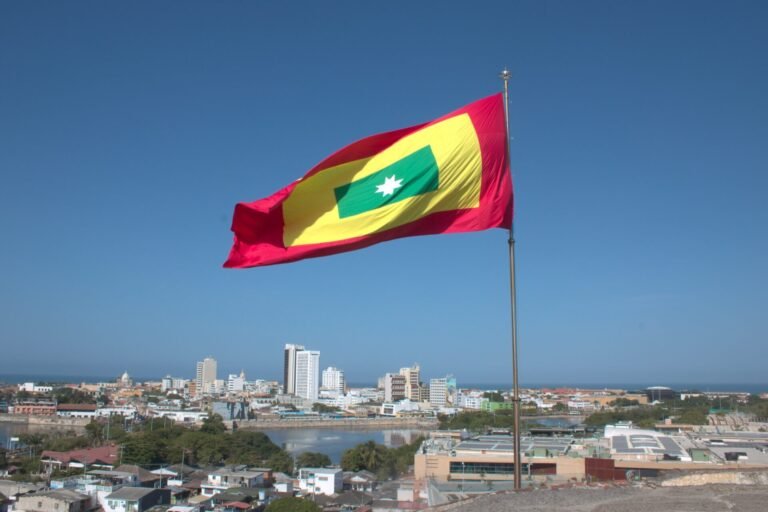
Located on the Caribbean coast, Cartagena is a colorful city that is a favorite among travelers. Whether you plan to wander the Old Town or venture out on a day trip to the Rosario Islands, Cartagena is a great addition to your Colombia itinerary.
Medellin & Guatapé
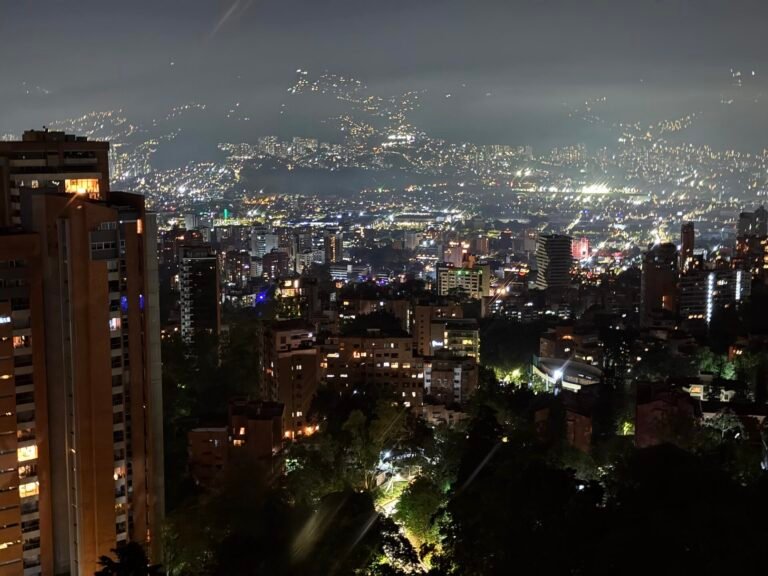
Medellin doesn’t have the best reputation, but I highly recommend a visit to learn how this city has managed to grow despite its troubling past. From Medellin, it’s easy, and popular, to day trip to Guatapé and climb La Piedra del Peñol.

Villa de Leyva
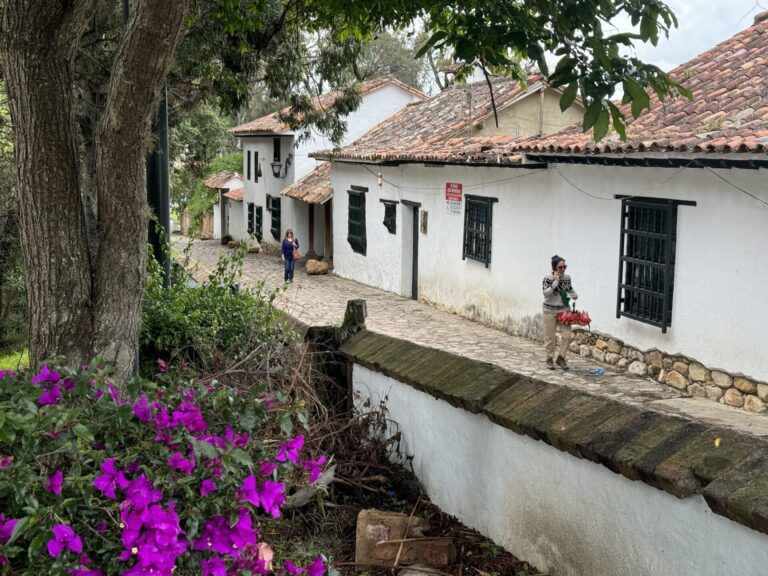
East of Bogota, you’ll find the whitewashed colonial town of Villa de Leyva. Stroll the town square or hike up to a great view overlooking the city.

San Gil, Barichara, and Guane
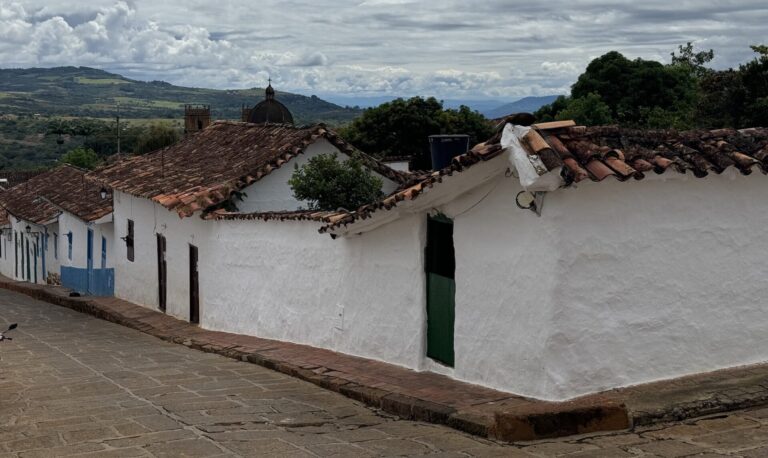
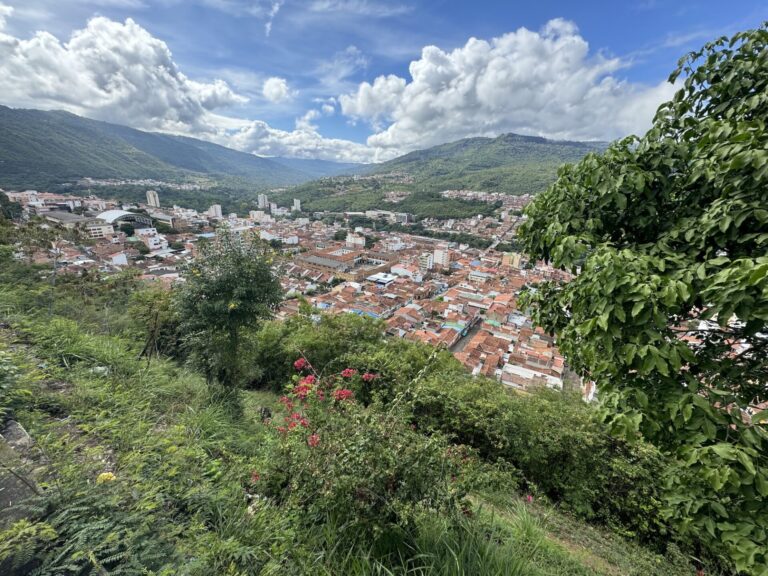
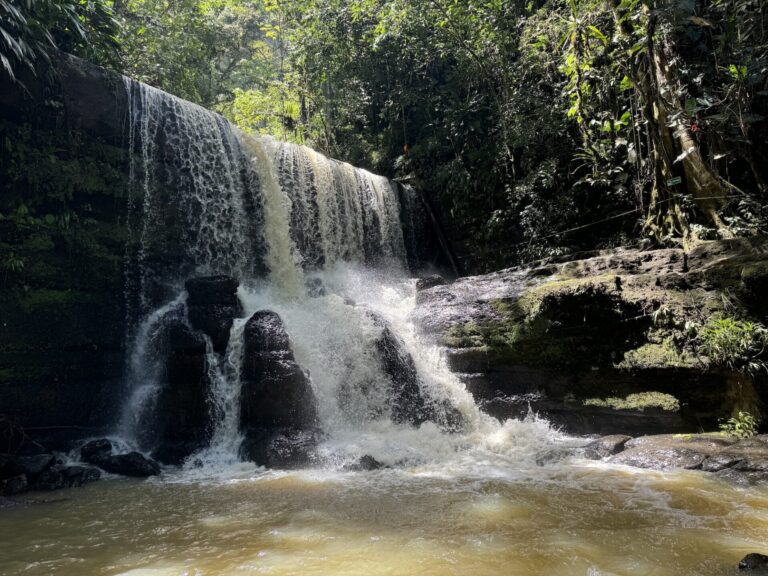
San Gil is Colombia’s adventure capital. From ziplines to whitewater rafting to repelling down waterfalls, there’s no shortage of high adrenaline activities. For a calmer experience, visit nearby Barichara which is often consider to be one of the most beautiful towns in Colombia.
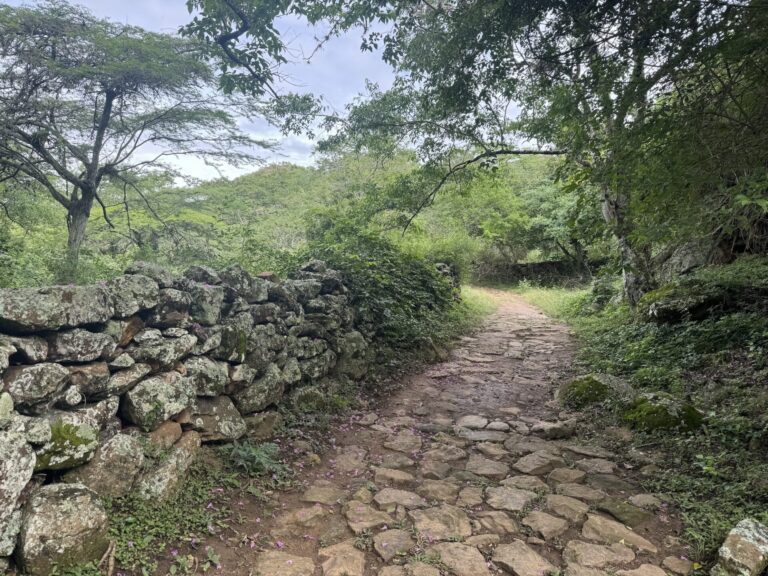
Lost City Trek
The Lost City Trek is a bucket list hike that consists of four days hiking through the Colombian jungle to reach the historic city of the Indigenous Tayrona People. It’s a difficult, but rewarding hike that’s sure to be one of the highlights of your trip to Colombia.


Santa Marta, Tayrona National Park, & Minca
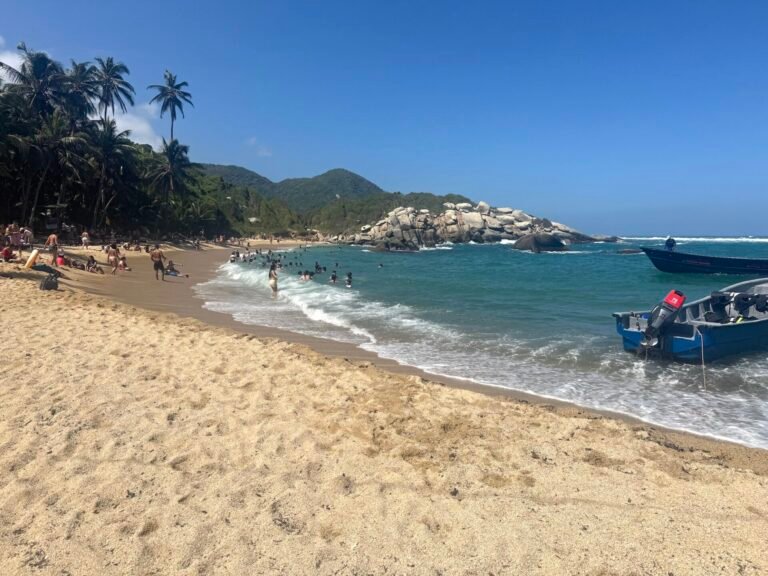
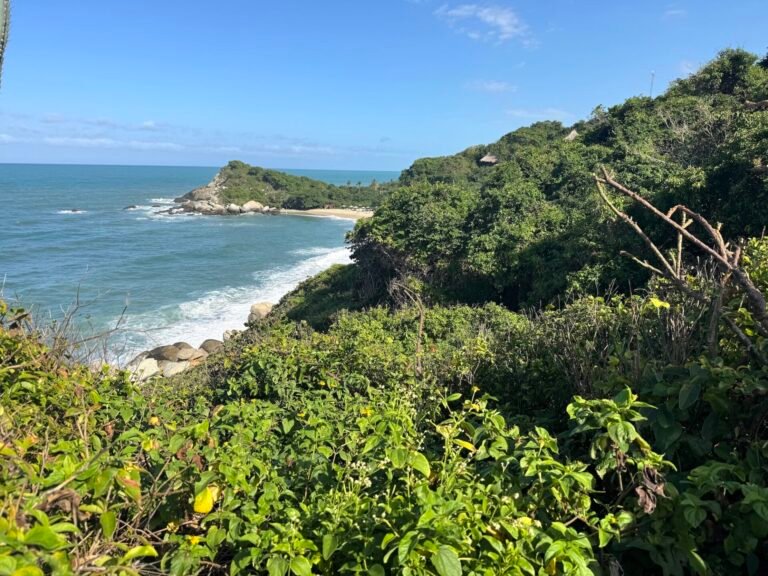
Santa Marta is a big city along Colombia’s Caribbean coast. From Santa Marta, you can easily reach the very popular Tayrona National Park, which is famous for its beaches. In the other direction, head to Minca, a once sleepy town that’s surrounded by waterfalls and a major hub for birdwatching.


Colombia’s Coffee Region
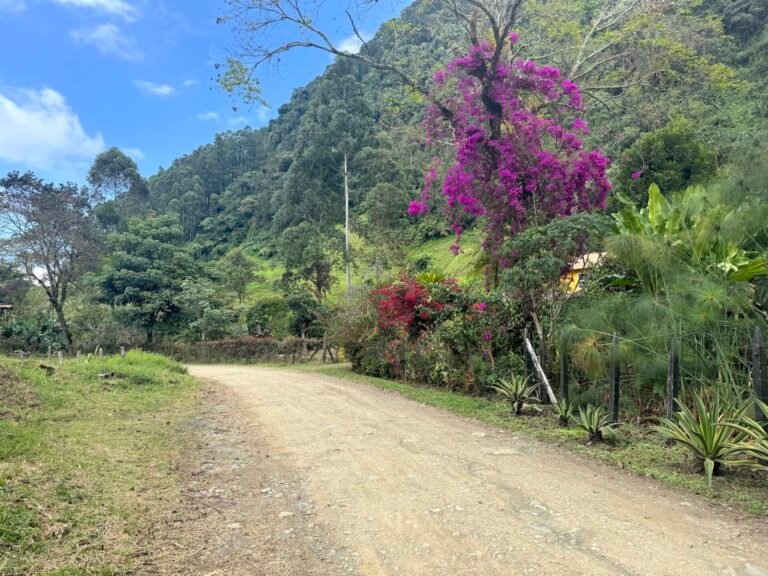
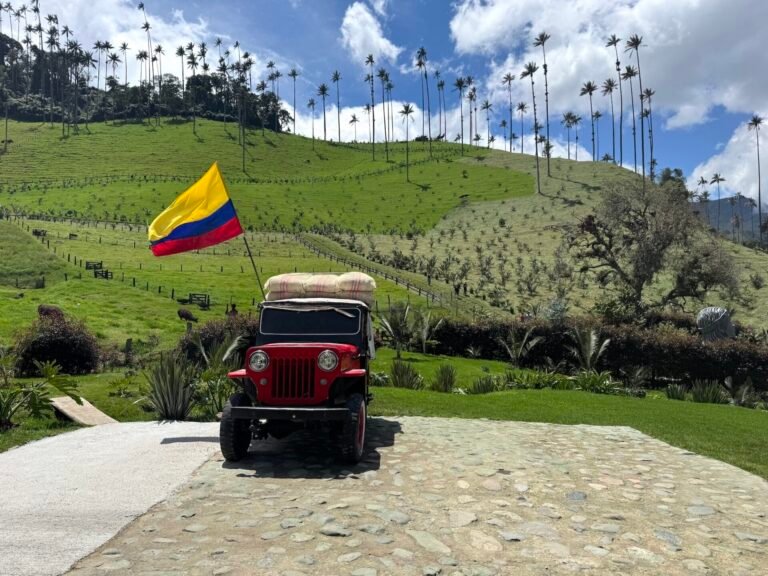
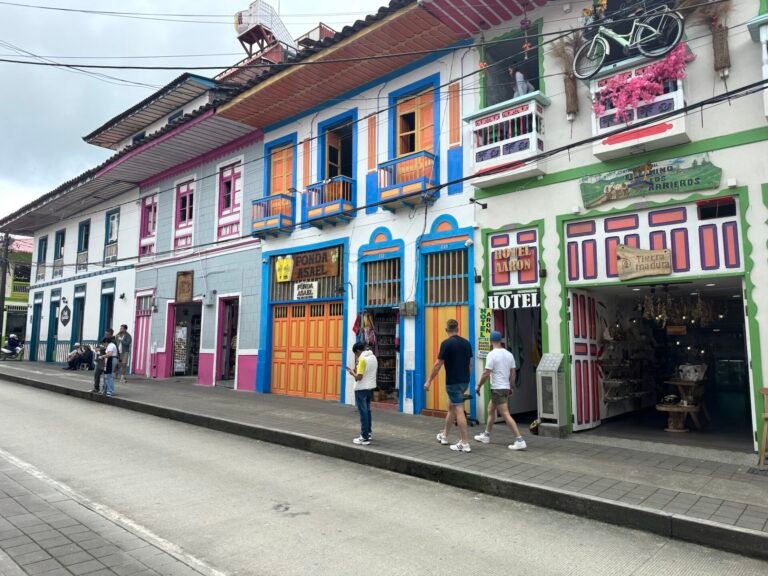
The coffee region is a favorite among travelers that features colorful towns and great hiking. Salento is the most popular town and is famous for its easy access to the Cocora Valley. Filandia is arguably more colorful and makes a great day trip from Salento. Jardin is my favorite of the towns I’ve visited because of its great views and nearby hiking opportunities.
Tatacoa Desert
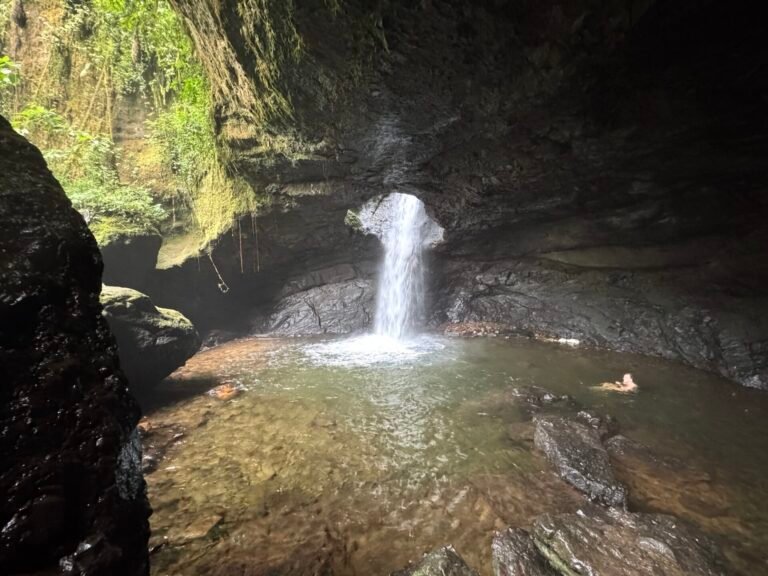
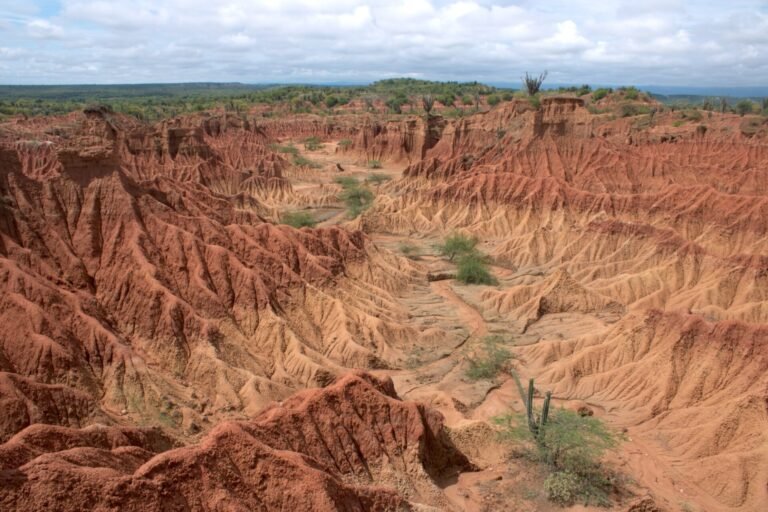
While not actually a desert (it’s technically a dry forest), the Tatacoa Desert is a bit off the beaten path. Don’t let that deter you, though. The scenery in this part of Colombia is absolutely breathtaking and worth the effort to visit.
Itineraries
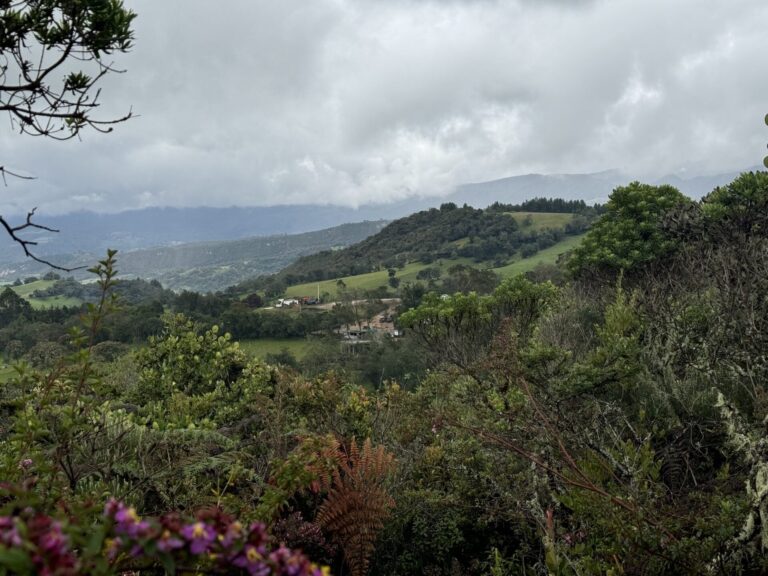
I’ve spent nearly two months exploring Colombia and I’ve barely scratched the surface of everything to do in this country. Here’s some travel itineraries, featuring some of my favorite parts of Colombia, to get jump start your planning.
Know Before You Go
Currency – Colombian Peso (COP). While cards are more accepted than you may expect, it’s always a good idea to bring cash. Note that while card may be accepted, some hotels and hostels may add an extra fee for paying with card.
Language – Spanish. Learn some basic Spanish before you visit Colombia. While you will likely be able to find English at your hotel (but it’s not a guarantee), it’s best to have at least a basic understanding of Spanish. Do not expect to hear a lot of English.
Power – 110 V and 60 Hz (same as the United States).
Tipping – Your service charge is typically include in the cost of your meal, so tipping is generally not expected. However, if you had a fabulous experience, a small tip is appreciated.
Water – In most of Colombia, the tap water is not safe to drink. Either stick to bottled water or bring your a filter/purifier. I used a Steri-Pen for my most recent trip to Colombia and treated all of my water and didn’t get sick once.
For even more, check out my top Colombia travel tips.
Transportation
In general it will take longer than you might expect to travel within Colombia. Distances are short, but the mountains add a lot of extra time to any journey.
By Plane – For the longer journeys, consider flying. The country has a large network of internal flights connecting the major cities as well as flights connecting smaller cities to Bogotá, Cartagena, and Medellín.
By Rental Car – While you could rent a car in Colombia, I’d suggest thinking twice. Colombian drivers are in a whole other league. Every lane is a passing lane if you believe in yourself and that just gets even more nerve racking on some of the mountain roads.
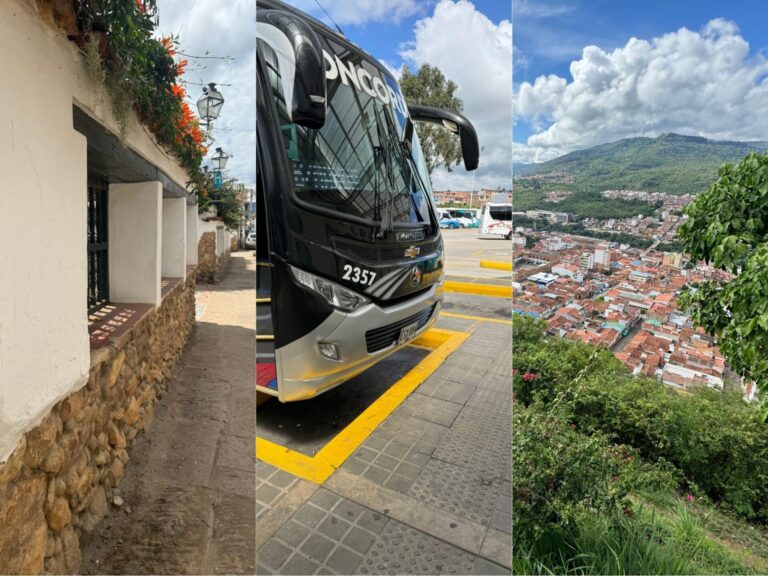
By Bus – You will likely be able to get bus to wherever you need to go. Colombia’s bus network is massive, with all sorts of companies crisscrossing the country. However, many of these bus networks have limited or no online presence. Your best bet for schedules is to visit the bus station in each city and ask.
Sometimes the buses can be confusing and it’s not always straightforward. For those journeys, I’ve created separate transportation guides with step by step instructions of how to navigate across the country.


When to Go
In general, Colombia only has two seasons: rainy season and dry season. While it won’t rain 24/7 during rainy season, you need to be prepared for rain at any point.
Low Season – Unsurprisingly, low season is rainy season which typically lasts from mid September to mid November. Be ready for rain at any time, but you’ll also likely see the sun too. Fewer travelers visit during this time so it can be great for deals. Check out my guide more about traveling in rainy season.
High Season – High season is part of dry season. From December through February, expect the highest prices, the most tourists, but also the best weather. That said, don’t count on rain free days. In a strange turn of events, I think I saw more rain in Colombia when I traveled in January/February than when I traveled in the November rainy season.
Shoulder Season – From March until September, you can expect to find decent weather but fewer tourist crowds.
As a reminder, Colombia is a large country and different parts of the country may experience different weather. For example, while it may be rainy in Bogotá in October and November, Cartagena and the Caribbean coast can be ideal weather.
Budget
Prices in Colombia can vary greatly based on when you travel and where you travel. However, in general, I found Colombia a very affordable country to travel.
Accommodations – Larger cities like Bogotá will be more expensive than small towns. My accommodation in Bogotá (about 150,000 COP) was almost double what I paid in San Gil (about 75,000 COP).
Food – Food prices, like everywhere in the world, will vary wildly. You can get arepas for 4000 COP or less or sit down to a nice meal for 50,000 COP (or more!). In general though, I didn’t have too difficult of a time finding a reasonably (or even cheaply) priced meal.
Transportation – Transportation costs vary wildly based on which mode of transport you choose, when you book your ticket, and which cities you are traveling between. As a good rule of thumb, I found myself paying about 12,000 COP per hour I was on the bus. Flights will often cost more but can save you significant time. For the long buses, it’s still worth checking prices. My one hour flight from Santa Marta to Medellin (including baggage) was the same price as the 15+ hour bus.
Activities – Museums and other smaller sights can cost 5000 COP or less. For a full day, guided tour from Bogotá, I paid 350,000. The price for activities varies greatly depending on what you want to do.
For a full breakdown of my budget, check out my Colombian Travel Budget.
My Experience as a Solo Female Traveler
I’ve spent nearly two months in Colombia as a solo female traveler. In general, I had no issues and felt completely safe. However, it should be noted that I don’t go out after dark and I don’t drink alcohol. Colombians were friendly and always willing to help.
For more on safety, check out my Colombian Safety Guide.