
Argentina is huge and there’s a lot to see in just this one country. Here you’ll find the popular city of Buenos Aires, but you’ll also find plenty of natural beauty as well. In the south is Patagonia, which has no shortage of spectacular scenery. In the north, along the border with Brazil, is Iguazu Falls. In the northwest is Salta and Jujuy provinces which have so much variety. And that’s not even getting started on the wine that you can find in Mendoza.
Let’s start planning your trip to Argentina!
What to Do | Know Before You Go | Transportation | Budgeting |
Solo Female Travel & Safety
The Best of Argentina
I haven’t visited everywhere in Argentina. The country is massive and I just ran out of time, but Argentina is high on my list to return to. There’s just so much more to see and do here.
Buenos Aires
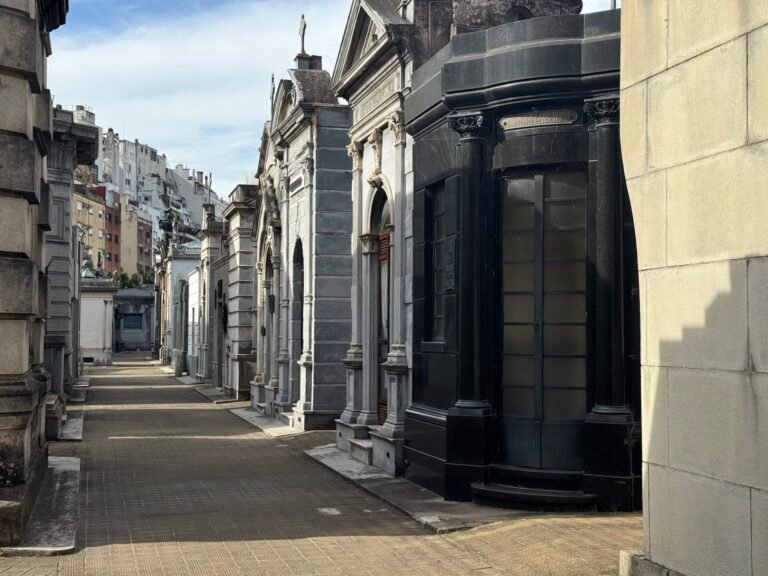
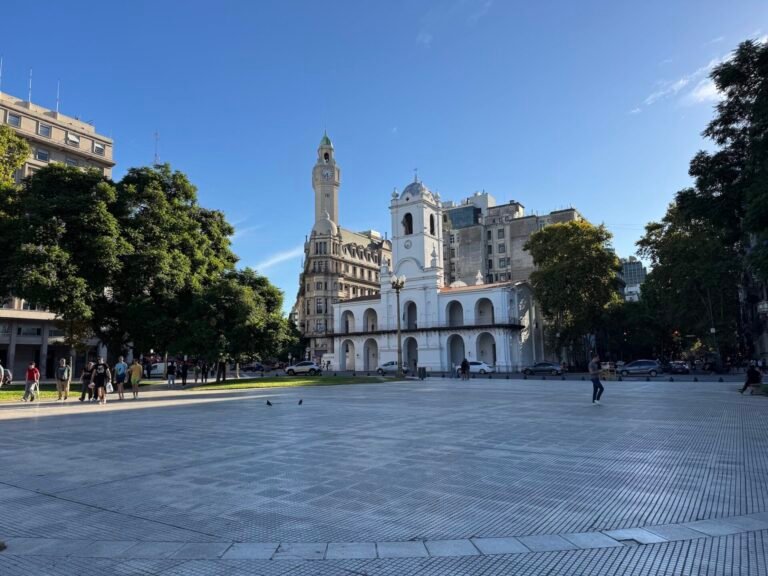
No trip to Argentina would be complete without a stop in its capital city. Buenos Aires is huge and there are so many interesting neighborhoods to explore. It’s a popular city among travelers and after a visit, it’s easy to see why.

Salta
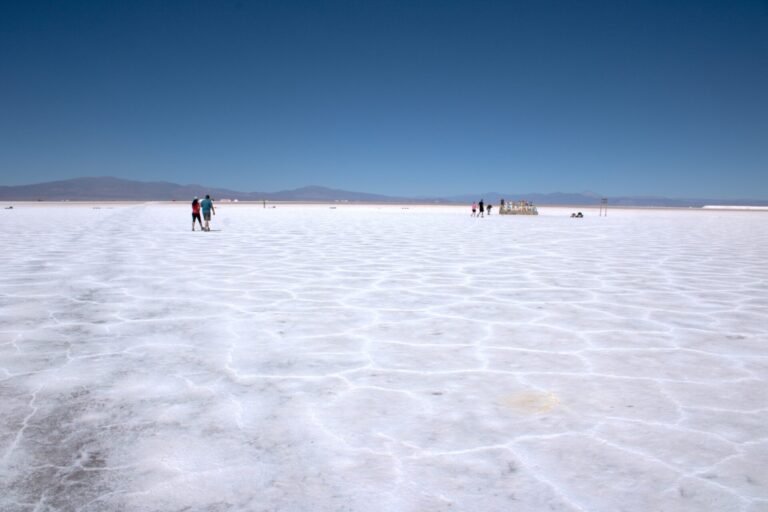
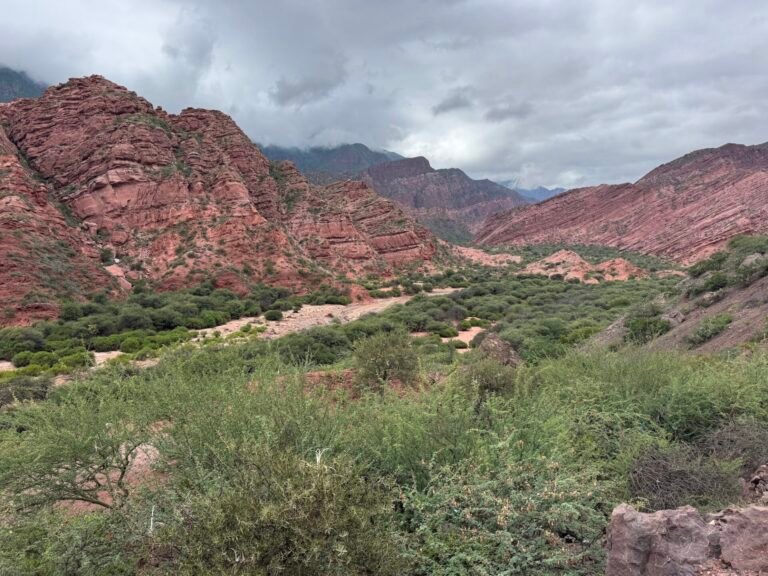
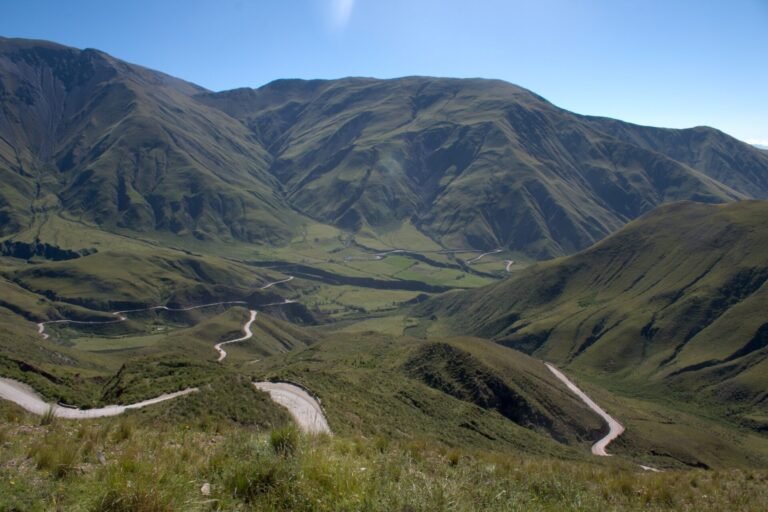
Located in the northwestern part of Argentina, Salta has no shortage of diversity. The city itself is interesting and many travelers I talked to on my travels loved the city. For me, the day trips from Salta are what makes it special with what feels like an endless supply of diverse scenery.



Know Before You Go
Currency – Argentinian Peso (ARS). For the past few years, Argentina has been dealing with rapid inflation. Because of this, the best way to approach money in Argentina is to pay by card whenever possible or to exchange brand new US dollars once inside the country.
Language – Spanish. Learn some basic Spanish before you visit Argentina. While you will likely be able to find English at your hotel (but it’s not a guarantee), it’s best to have at least a basic understanding of Spanish. Do not expect to hear a lot of English. That said, you might still be confused as Argentinian Spanish can feel very different than the Spanish you’ll find in other countries in South America.
Power – 110 V and 60 Hz (same as the United States).
Water – In most of Argentina, the tap water is not safe to drink. Either stick to bottled water or bring your a filter/purifier. I used a Steri-Pen for my trip to Argentina and treated all of my water and didn’t get sick once.
Transportation
Argentina is huge and the popular tourist spots are spread out. Be prepared to pay for domestic flights or very long buses.
By Plane – For the longer journeys, consider flying. Flights can be more expensive, depending how far in advance you book, but can cut a journey from 20 hours to 2 hours.
By Rental Car – Depending on where you’re traveling, a rental car may be a good option. Since the country is massive, I’d suggest just renting a car for the region you need it in. That may mean multiple rental cars throughout your trip, but it saves massive drives.
By Bus – Argentina has a vast network of buses. However, distances are long and it’s not uncommon for the bus to take 20+ hours to reach your destination.
Budgeting
Argentina is not as cheap as it once was. While it was still much cheaper than traveling within the United States, I wouldn’t necessarily call it a budget destination. Prices have increased in recent years.
Accommodations – Unsurprisingly my room in Buenos Aires cost more than my accommodation in Salta. However for a decent room in a good location, I’d consider Buenos Aires to be similar to most major cities in South America. In Salta, I found an absolute deal on a private room for $10 USD per night, though that was likely an outlier.
Food – Food prices, like everywhere in the world, will vary wildly. You can find street food for cheap or sit down to a nice meal. In general though, I didn’t have too difficult of a time finding a reasonably (or even cheaply) priced meal for anywhere from $5 to $10 USD.
Transportation – Transportation costs vary wildly based on which mode of transport you choose, when you book your ticket, and which cities you are traveling between. I booked a last minute flight from Buenos Aires to Salta, which cost much more than I’d like. For your long distance traveling, try to book ahead.
Activities – The price for activities varies greatly depending on what you want to do. For day trips, I typically paid around $40 USD, but the price varied based on what I was actually doing. Walking tours are generally $10 to $15 USD per person.
Reminder that it’s best to pay by card wherever possible. This gives you a good exchange rate without having to deal with loads of cash. Still, you’ll need cash during your trip at some point. Skip the ATM and exchange brand new US Dollars once in Argentina.
Solo Female Travel & Safety
I’ve spent just about a week and a half in Argentina as a solo female traveler. In general, I had no issues and felt completely safe. However, it should be noted that I don’t go out after dark and I don’t drink alcohol. Still, use general common sense when traveling.
Nearby
Want to extend your trip in South America? Consider visiting one of the nearby countries. Uruguay is a short ferry ride from Buenos Aires. Chile shares a long border with Argentina and there’s plenty of places to cross. In the north, you can cross into Bolivia for even more adventure.