
Punta del Diablo is a popular beach town in Uruguay, but right nearby is Santa Teresa National Park. A visit here can include even more beaches (if you haven’t had your fair share in Punta del Diablo already), animals, botanical gardens, and a historical fortress. If you’re looking for just a little bit of variety in your beach vacation, this is a great alternative.
Here’s everything you need to know about visiting Santa Teresa National Park.
How to Get to Santa Teresa National Park
From the town of Punta del Diablo, it’s only a few kilometers to Santa Teresa National Park. If you have your own car or motorcycle, it’s easy enough to just drive to, and through, the park. This is absolutely your best option and since Uruguayan roads are much calmer than many other locations in South America, it’s an option I’d highly consider.
Option two is to rent a bike in Punta del Diablo and bike to the park. This is what I did and while it’s not a particularly long ride, there’s only one business in town that rents bikes and they aren’t the best. They have gears and they work, but they are heavy and kind of clunky so you’ll get a pretty decent workout using these bikes. The bicycle rental is called Recicleta.ppd and you can message them on WhatsApp to arrange your bike rental (I did it just a few hours before I needed the bike). It cost 500 UYU for a 24 hour rental in 2026 (though the WhatsApp business profile says 600 UYU).
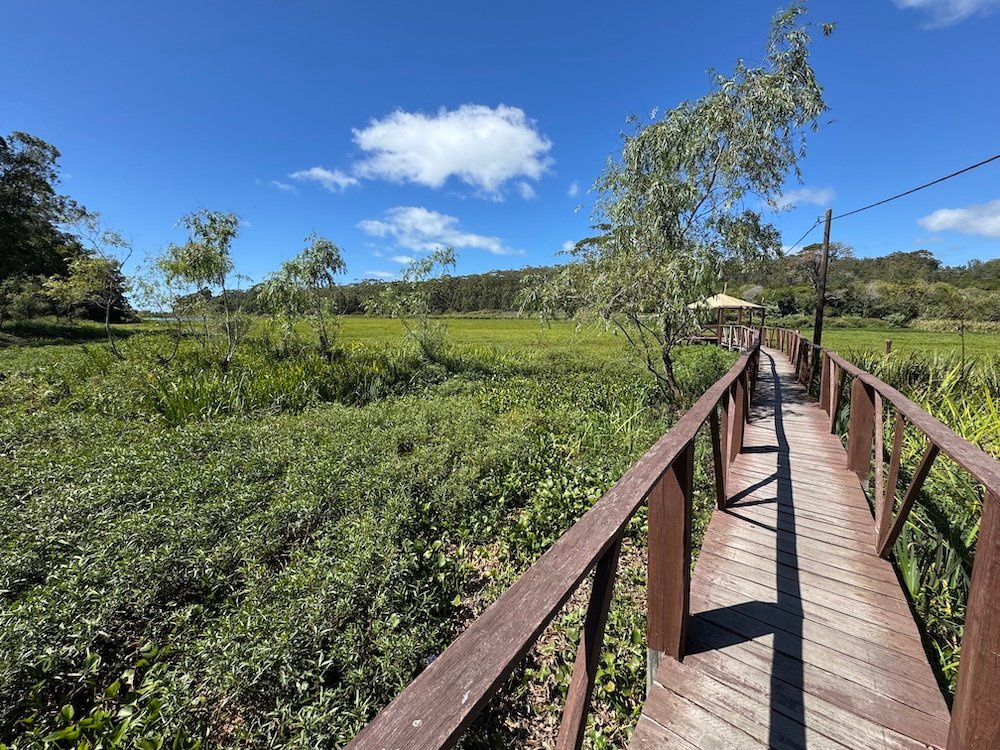
Note that while I was told that only one business in town rented bikes, when I went to the bus station to leave Punta del Diablo, it looked like there might have been some bike rentals by the nearby tourist office. It’s worth asking at your accommodation where you can rent bikes.
You could walk to Santa Teresa, but you’ll need a lot of time for the walk. If you do plan to walk, I recommend entering not via the main highway (Ruta 9), but instead entering via Playa Grande. It’ll save you just a little bit of walking (probably less than five kilometers), but more importantly you don’t have to walk along the busy highway.
There is a bus stop right at the entrance for Santa Teresa National Park, so you could take the bus to the park and then explore the park on foot. Sights in the park can feel spread out though, so you’ll still end up doing a lot of walking.
Lastly, I would recommend asking at your accommodation for their advice. If there’s any kind of tour or excursion that’s visiting Santa Teresa, I’d jump on that if you don’t have your own vehicle. It’s going to be the easiest, and least physically intensive, way to visit the park.
What to Do in Santa Teresa National Park
Now that you’ve reached Santa Teresa National Park, what should you do?
Capatacía
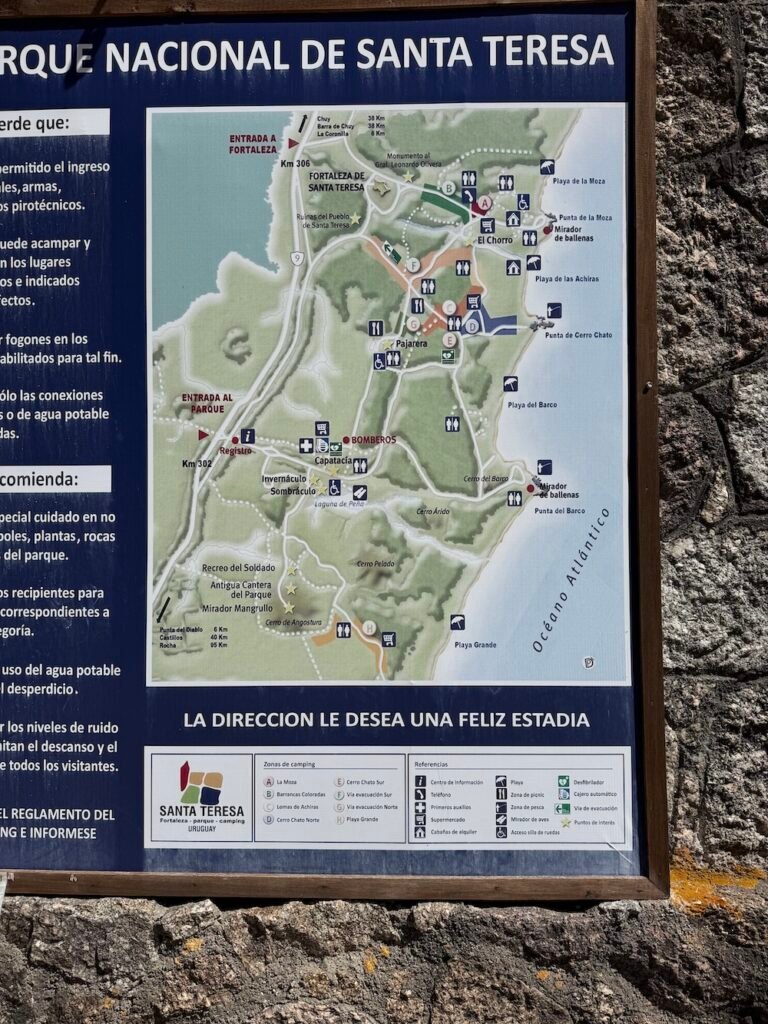
When you enter Santa Teresa National Park, the first area you’ll come to is Capatacía. Here you can get a little information about the park and find some maps that can help you plan out your day. Also nearby is a small empanada stand, bakery, and a grocery store (though it was closed when I visited on a Sunday). If you need anything else for your visit, stop here to pick it up.
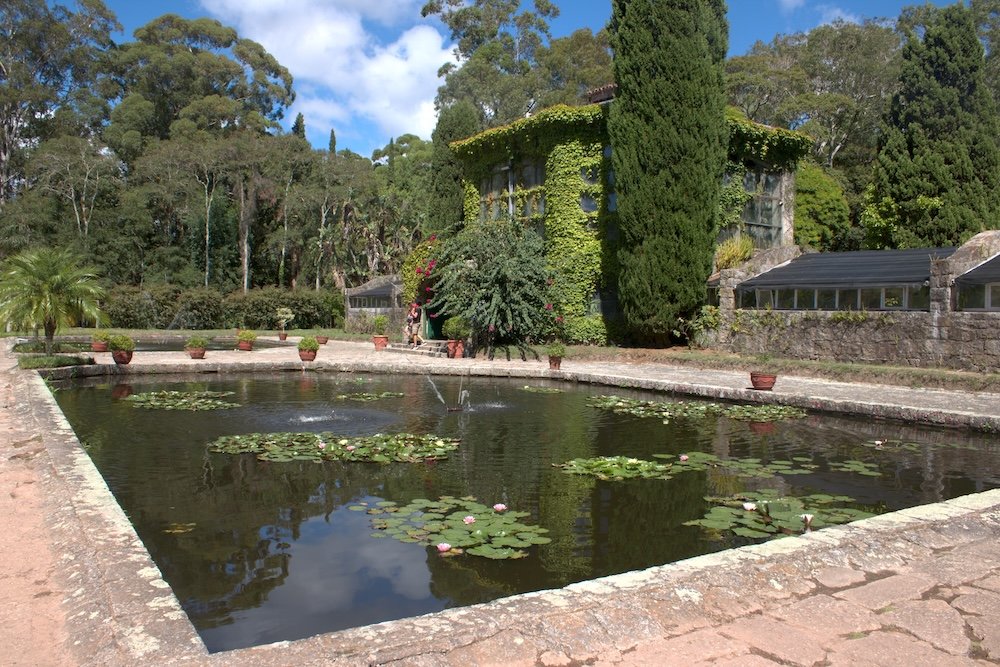
In this area you’ll also find your first sightseeing of the day. Walk down the stairs to a greenhouse, manmade waterfall, and gardens. It’s a very photogenic area, even though it was definitely all manmade. That said, I think it was one of the nicer areas of the park that I visited. Stroll through the gardens, take your photos, and walk out to the viewpoint nearby.
Pajarera
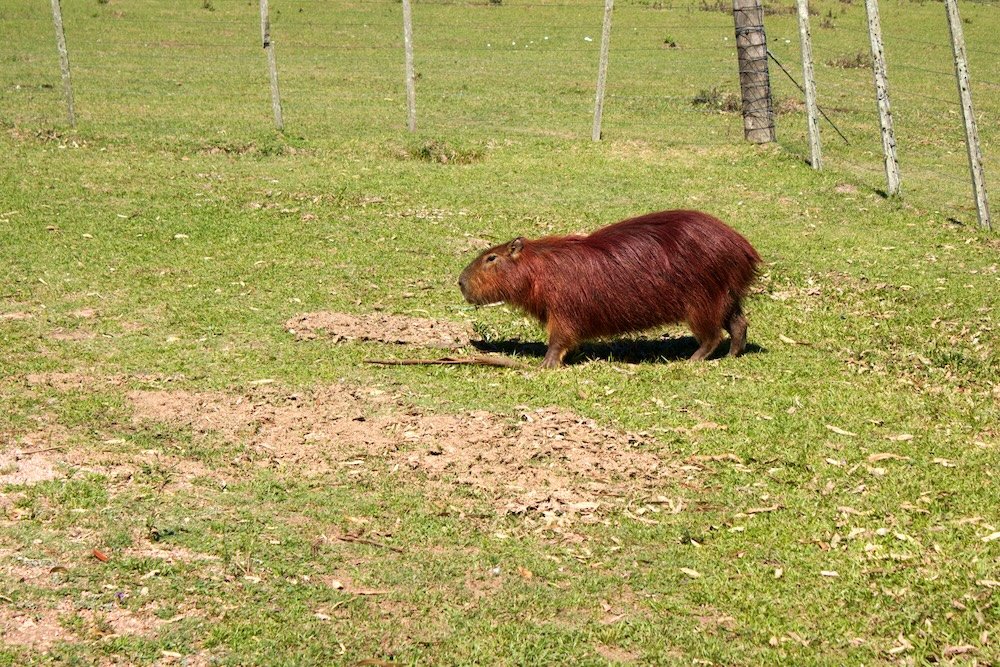
A bit up the road from Capatacía is Pajarera which is an animal sanctuary. There’s numerous animals here, but I think for most visitors, the highlight is seeing the capybaras (though you’re also likely to see capybaras roaming elsewhere in the park too). There’s several walking paths weaving through the area allowing you to search for wildlife in more than just one tiny area.
What I found funny is that there are fences put up. Presumably to keep animals in and people out, but some of the animals completely disregard those fences. Peacocks and geese particularly just went wherever they pleased, regardless of the fences. Not to mention that you’ll find capybaras throughout the park.
Relax on the Beach
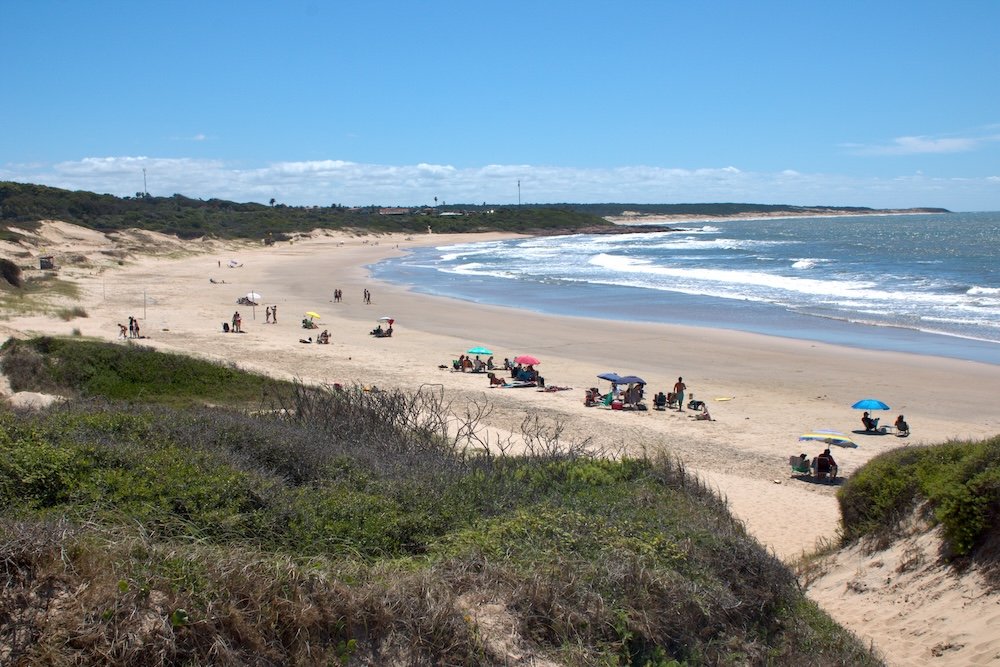
Santa Teresa National Park sits right along the beach, so if you haven’t gotten your fill of beaches from the town of Punta del Diablo, there’s a few more beaches that you can visit within the national park.
While I didn’t visit every beach, my favorite was a tiny little cove called Playa Celina which is right near the much larger Playa del Barco. Playa Celina is small so not many people can be there at once, but it felt so peaceful compared to all of the other beaches I visited (though none felt overwhelmingly crowded when I visited at the very start of the off season).
Playa Grande is the largest of these beaches (hence the name). You can visit Playa Grande as part of your visit to Santa Teresa, but it’s also easy to reach Playa Grande from the town.
Santa Teresa Fortress (Fortaleza de Santa Teresa)
One area that I didn’t make it to was the Santa Teresa Fortress. This is the one area of Santa Teresa National Park that requires a fee and it costs 25 UYU to visit. Of course, you could just see it from the outside for free, but if you’re going to go all the way to the fortress, I think it makes the most sense to pay the entrance fee and explore it properly. From what I’ve read, the views from the fortress are very nice.
Entrance Fees for Santa Teresa National Park
It is free to visit Santa Teresa National Park, though there is a small fee to visit the Santa Teresa Fortress.
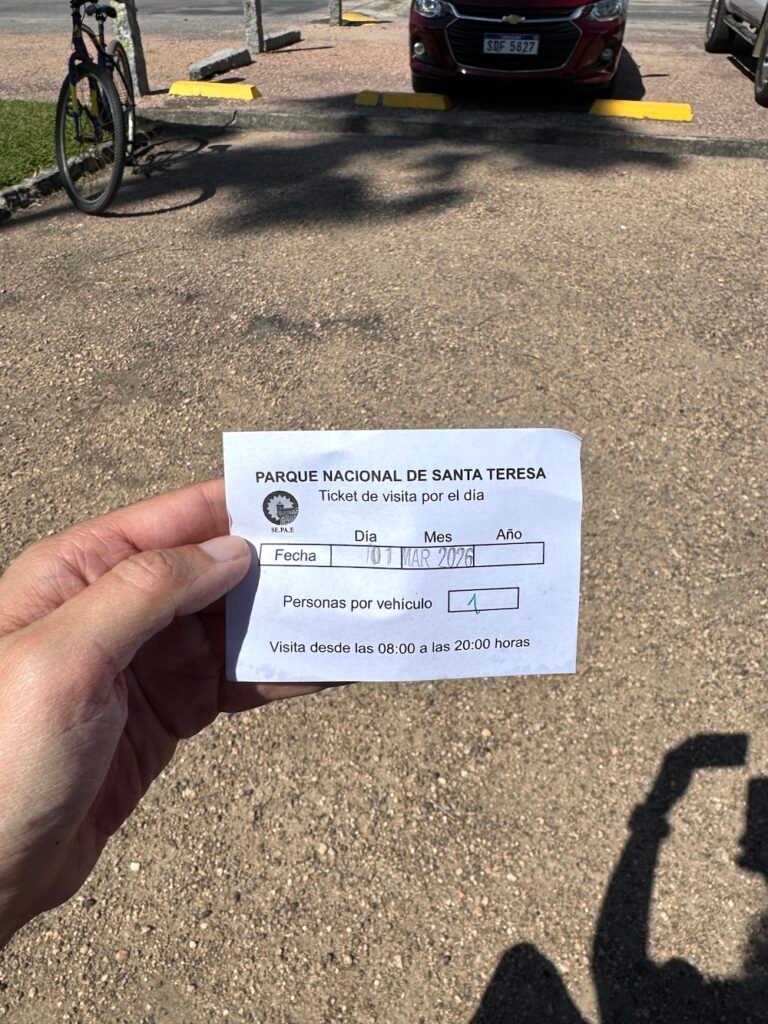
That said, you’ll still go through a check point when you enter Santa Teresa National Park. You’ll give the guard your name and they’ll hand you a ticket that you’ll then give back to them at the end of your visit. To be honest, I’m not quite sure what the point of that ticket was, other than keeping track of who goes in and who comes out, but the ticket exists. I’m sure for those visiting by car it makes much more sense (since the ticket indicates how many people were in the vehicle—in my case the vehicle was a bike so there was only one person), but you’ll get a ticket, even if you’re on your bike.
Other Tips for Visiting Santa Teresa National Park
There is not a lot of shade in Santa Teresa National Park. Bring, and wear, plenty of sun protection. For that matter, there’s not a lot of shade in Punta del Diablo. There are stores that sell sunscreen, but you’re in a tourist beach town, so you’ll pay a bit of a premium for it so keep that in mind.
Bug spray is also a good idea. Mosquitoes exist and I definitely heard one or two flying around my room at night.
More in Punta del Diablo
Punta del Diablo is a beach town and the best thing to do (other than visit nearby Santa Teresa National Park) is to relax on the beach. There’s a few beaches in town, though obviously the beaches closest to town get the most crowded. If you’re willing to walk a little bit, you can find a little more peace on the beach.
Getting Around Punta del Diablo
Punta del Diablo is spread out so you’ll inevitably be doing some walking when you’re in town. The bus station is is located a 30 minute walk from the town center, which is where you’ll find most of the restaurants and shops. Hotels, hostels, and rental homes (which are incredibly numerous here) surround this area.
I stayed at a hostel that was a 30 minute walk from the bus station. Then it was another 20 minute walk to the town center. To reach the bicycle rental company, it was 30 minutes from the town center (in the opposite direction of my hostel).
I guess my point is that Punta del Diablo is walkable, but expect some longer walks. You can bike through the town, but keep in mind there’s only one paved road. Every other road is gravel which takes just a little more effort on the bike.
When to Visit Punta del Diablo
Punta del Diablo is incredibly popular from December through February when Uruguayan tourists flood the area. Outside of these times, it’s considered low season (though it could be argued that November and March are still shoulder season).
Here, more so than in many places, it’s important to keep seasonality in mind because businesses can close as soon as March 1st hits. I arrived on February 28 and stayed for three nights. I didn’t have any problems getting around or finding places to eat (though on Monday, March 2nd many places were closed). There were still plenty of people in town, but from what I was told, most tourists had already left.
Final Thoughts
Santa Teresa National Park was a great addition to my visit to Punta del Diablo. It added just a bit of variety and I’m so glad I made the visit out there, even if it was a workout thanks to the bike I rented.
